Rummy Guide: Measure Progress by Problems Removed
Progress is more than a good-looking card
A new card can feel like progress because it matches one nearby card. Yet the hand may remain just as crowded, or even become harder to finish. Measure progress by the problems removed: Did a group become legal? Did one uncertain card gain a clear role? Did the new arrangement reduce the number of competing routes?
Before acting, name the hand’s current problems. They might include an invalid foundation, too many high-point cards, a narrow gap, or a lack of a backup route. Keep the list short. After a draw, compare the new state with the old one. A card that solves one problem while creating two others may be a poor improvement.
Use a simple count
You can track four categories: legality, unresolved groups, exposed points, and flexibility. A completed sequence may improve legality and reduce unresolved groups. A low disconnected card may reduce points but not help structure. A flexible bridge may preserve options without immediately reducing the count. The categories are not a mathematical score; they are prompts for an honest comparison.
Avoid counting the same benefit twice. If one card completes a group, do not also treat its visual neatness as a separate strategic gain. Likewise, a route that remains dependent on one missing card is still unresolved even if its cards are arranged neatly.
Review the direction
After several turns, ask whether the problems are shrinking, moving, or multiplying. If the hand is not improving, set a release rule for the weakest project. A decision can be sensible when made and still require revision later. The purpose of the count is to notice stagnation before attachment turns it into a fixed plan.
This method also improves post-hand analysis. Instead of writing that a draw was “bad,” record which problems it failed to remove and what alternative might have improved the overall structure. That produces a repeatable lesson: seek cards and actions that improve the hand as a whole, not merely one attractive corner.
You can make the review even clearer by writing one sentence before and after the action. Before: “The hand has one confirmed group and three unresolved cards.” After: “The draw created a second credible route but did not reduce the penalty exposure.” These sentences preserve context without detailed bookkeeping. They also make it easier to compare decisions across several practice sessions and notice which types of progress you regularly overlook.
Related Post
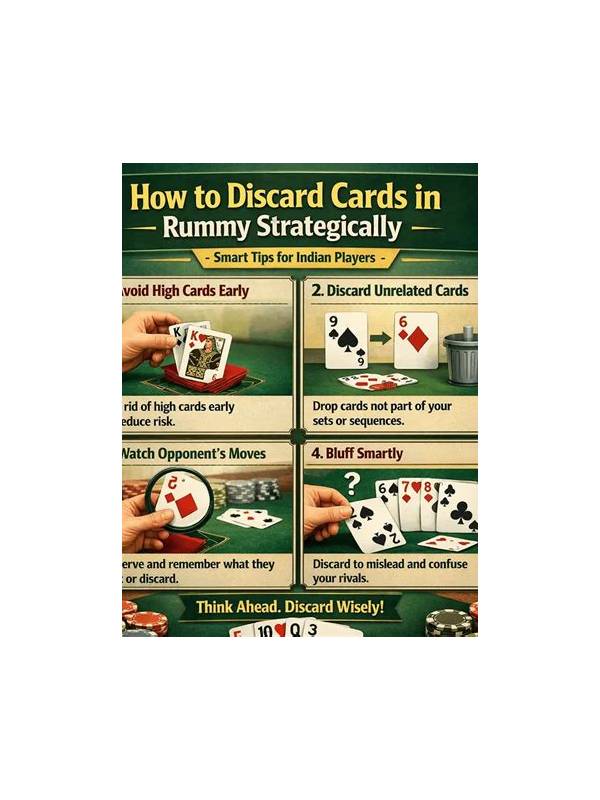
Rummy How-To: Build a Role-Based Discard Vocabulary
Consistent words for card roles can make live decisions faster and post-hand reviews more precise. [...]
Rummy How-To: Explain Variance to a New Player
A plain-language explanation of variance helps new rummy players separate decision quality from short-term results. [...]