Rummy Guide: Use a Question Ladder Before You Draw
A rummy turn often feels difficult because several thoughts arrive at once. You may see a promising pair, a useful discard, and a high-point card that seems uncomfortable to keep. A question ladder turns that crowded moment into a repeatable process. It does not predict the next card or guarantee a result; it simply helps you inspect the hand in a consistent order.
Start with the legality question: what groups does the current rule set require for a valid declaration? Rules vary, so the table or help page should be the authority. Once that is clear, ask whether your hand already contains a complete pure sequence. If it does, protect it from accidental rearrangement while you evaluate the rest. If it does not, identify which natural cards could form one without relying on a wild card.
The next question is about distance. For each unfinished group, count the missing cards needed to make it useful. A connected pair might need one card; a single card may need two or more. This is not an exact probability calculation, but it reveals which ideas are compact and which are expensive. Then ask whether any card belongs to more than one sensible route. A connector with two possible neighbors may deserve more patience than a card with only one narrow hope.
Now inspect the discard choices. For every candidate, ask what plan disappears if you release it. Also ask whether keeping it forces you to hold a high-penalty card elsewhere. These paired questions prevent a single attractive possibility from dominating the entire hand. Finally, check the information available from the open pile and opponents’ visible actions, while remembering that those clues are incomplete.
Use the ladder quickly after practice. The order can be: rules, safe group, missing cards, flexible cards, discard cost, visible evidence, and next checkpoint. The last step matters. Give a narrow plan a deadline, such as the next two turns, and reassess if the required card does not appear. A calm question ladder keeps the decision measurable and makes later review much more useful.
Try the routine with free practice first. Say the questions silently in the same order until they become familiar. If the timer is short, combine the middle steps: identify the shortest route and the most expensive loose card, then choose between them. The routine should simplify attention, not create pressure. When a rule is unclear, pause the strategic analysis and confirm the rule through the official table information. A correct rule check is more valuable than a confident decision based on a remembered variant.
Related Post

Rummy Variant Notes: Build a One-Page Reference Card
Create a compact reference card that keeps the rules of a specific rummy variant close [...]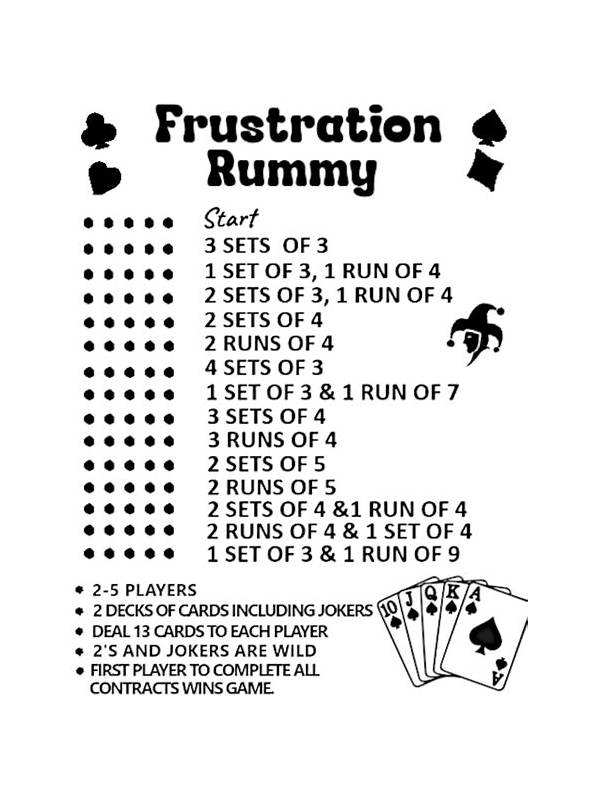
Rummy Safety: Check Age and Location Rules Before Playing
Eligibility, location, and format rules can differ, so verify them before entering a table or [...]