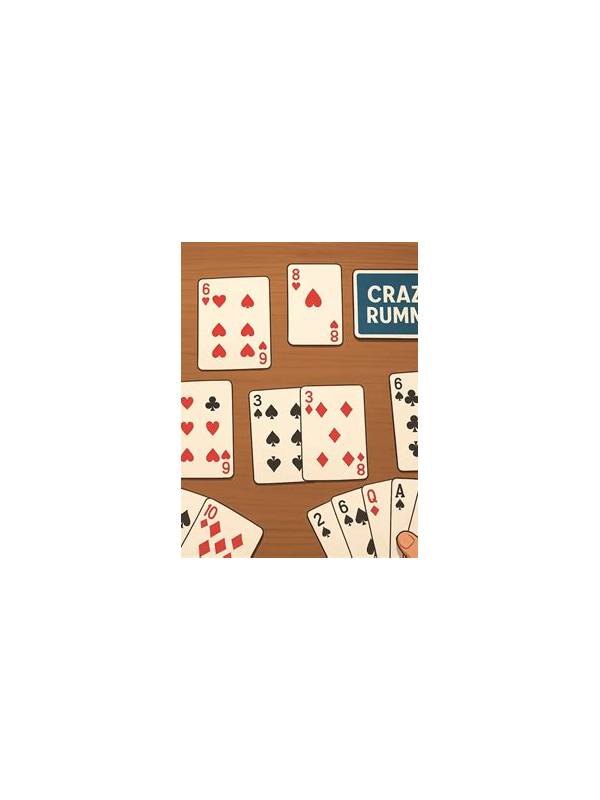
Rummy Guide: Read the Open Pile Without Overreacting
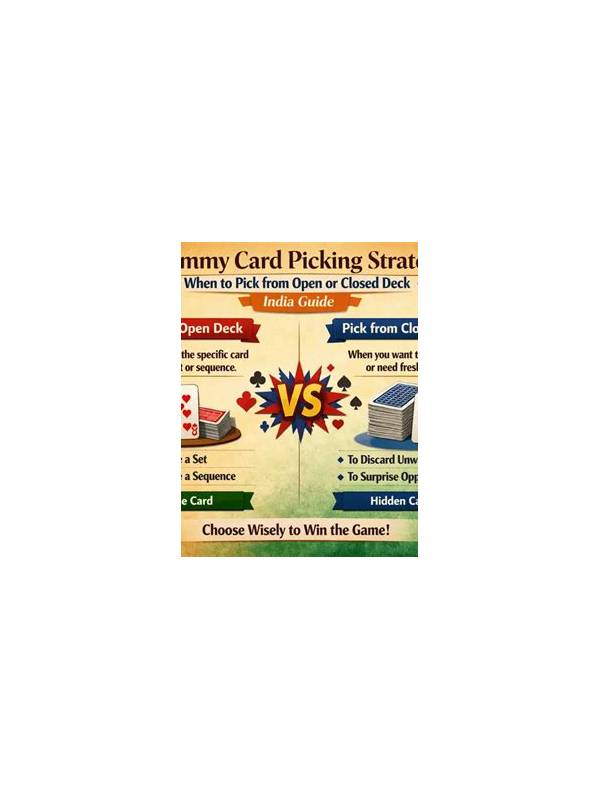
The open pile is one of the clearest sources of public information in rummy, but it is easy to overread. Taking a card may signal a plan, while leaving it may signal nothing at all. The useful approach is to treat the pile as evidence with different strengths rather than as a perfect window into another hand.
Begin with the latest action. A player who chooses a visible card has made a stronger statement than a player who draws from an unknown source. Still, the statement is incomplete. The card might complete a set, connect a sequence, protect against points, or simply be the least awkward option available. Record the possible jobs before choosing one explanation.
Look for repetition. One connected card is a clue; several related choices are a pattern. Check whether the same suit, rank neighborhood, or type of card appears in the player’s selections. Also notice what they reject. Repeatedly ignoring a tempting card may reveal that it does not fit, but it could also reflect a hidden requirement you cannot see.
Use the information to adjust your own risk, not to create certainty. If a card seems likely to help an opponent, compare that risk with the cost of holding your current card. A high-point card is not automatically safer in your hand than in the pile. Keep your own completion plan central and avoid making a poor discard only because it might inconvenience someone else.
Review your inference after the round. Was the clue strong, or did you build a story around one action? Did the player’s later choices confirm or weaken your reading? Good table awareness is flexible. It helps you update a plan as evidence accumulates, while preventing a single visible card from controlling every decision. Remember that the open pile can contain deliberate misdirection, but you do not need to assume that it does. Most choices are made for ordinary reasons: a card fits, a card reduces points, or a card is the least useful option. Avoid inventing elaborate stories when a simple explanation fits the evidence. Also distinguish the action from the player’s skill level; an experienced player may still take a card for a defensive reason you cannot see. The practical response is modest adjustment. Keep your own hand organized, note the clue, and wait for another observation before making a strong conclusion. Patience makes public information more reliable. Keep the language of the review factual and kind. A hand is a changing set of possibilities, not a test of personal worth. When a decision is unclear, write down the two reasonable options and the evidence that separated them. This makes future practice more useful than replaying the result emotionally. You can also use the note to identify a question for the next session, such as whether a deadline was long enough or whether a table clue deserved attention. Small, specific questions are easier to test than broad promises to play better.
Related Post
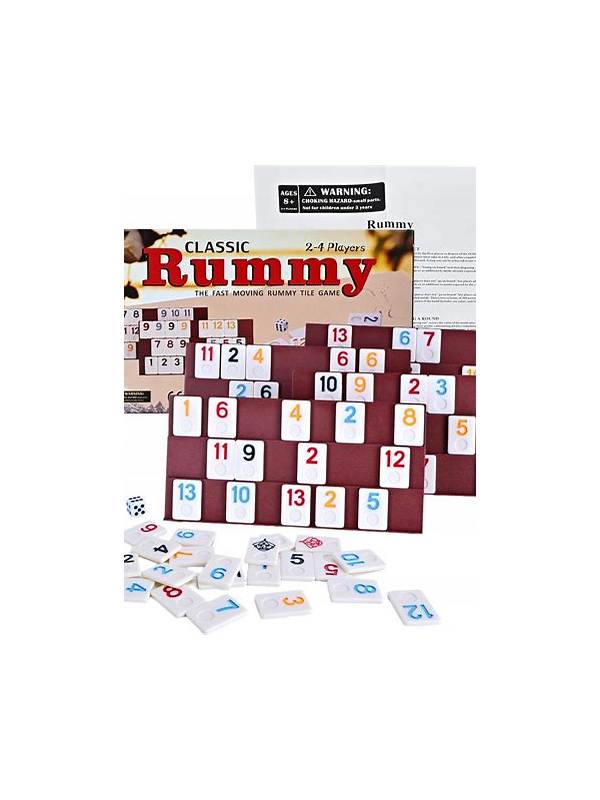
Rummy FAQ: How Does a Wildcard Change a Sequence Plan?
A wildcard adds flexibility, but using it well still requires checking pure-sequence and grouping requirements. [...]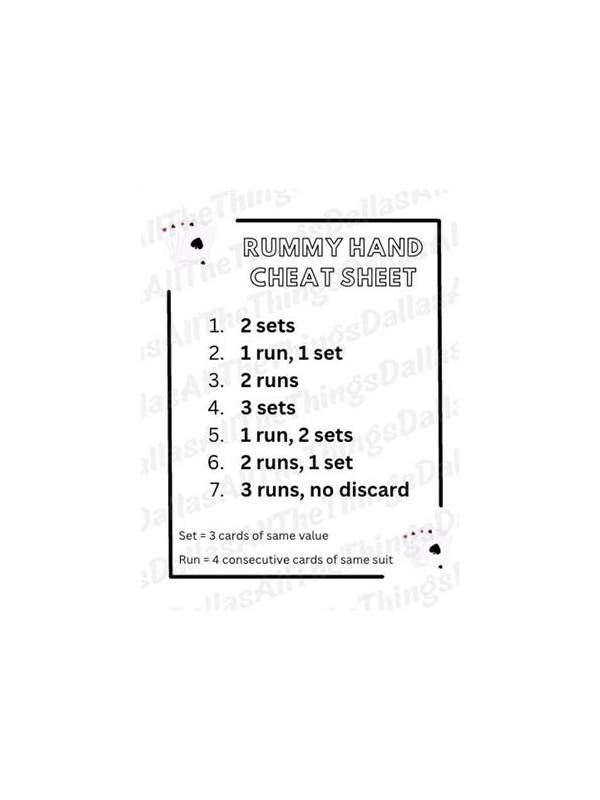
Rummy Hand Reassessment: A Five-Question Midgame Check
Five midgame questions help players update a rummy hand instead of clinging to an early [...]