Rummy Guide: Read Suit Balance Before Building a Run
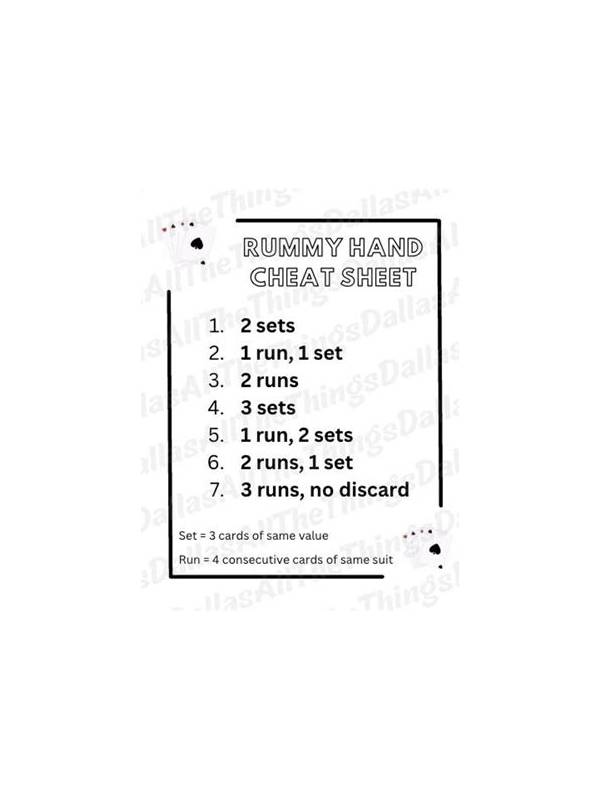
Suit balance is an easy feature to overlook in rummy. Players often notice ranks first: a six beside a seven looks promising, while a queen beside a king feels useful. Yet the distribution of suits across your hand can tell you whether those promising cards belong to a flexible plan or a fragile one. A quick suit check helps you build around what is actually available.
Begin by grouping your cards by suit, without deciding which cards will form melds. Count the cards in each group and mark any suit with several neighboring ranks. A hand with four cards in one suit may offer a natural run, but it may also be overcommitted if those cards are spread widely. A hand with two cards in three suits can be more flexible because it offers several ways to connect after the next draw.
Next, separate immediate links from distant hopes. Cards such as 5 and 6 of the same suit have a clear connection. Cards such as 5 and 9 are not a sequence yet, even if the missing ranks seem easy to imagine. Treat the gap as a cost. If your hand contains multiple gaps in the same suit, keep only the connection with the best follow-up possibilities and avoid collecting every card that merely shares a color or suit.
Your first discard should usually reduce imbalance without destroying your best route. If one suit contains scattered high cards and another contains a connected low pair, the scattered cards may be the safer place to start trimming. This is not a rigid rule: opponent behavior, visible discards, and the rules of your table still matter. The point is to make suit structure part of the decision rather than an afterthought.
Use the check again after each draw. A new card can turn a thin suit into a strong route, or it can make a previously attractive plan redundant. Ask three questions: Which suit has the clearest connection? Which suit has the most useful replacement cards? Which suit would leave the fewest awkward cards if my next draw misses? These questions keep your plan flexible while the hand develops. One final benefit is communication with yourself. Naming the suit that carries your best route makes it easier to notice when a new card changes the balance. You can also mark a suit as a temporary holding area rather than a commitment. This distinction matters because a hand can contain several cards of one suit without containing a viable run. Review suit balance whenever you draw from the stock or take a visible discard, and let the new evidence change the plan.
Related Post
Rummy How-To: Make a Card-Role Audit After Each Draw
A fast card-role audit identifies cards that still have a job and cards kept only [...]
Rummy Safety: Set a Stop Rule Before You Start
A pre-session stop rule turns responsible play into a clear action instead of a last-minute [...]