Rummy Guide: Read the Table Layout Before Your First Move
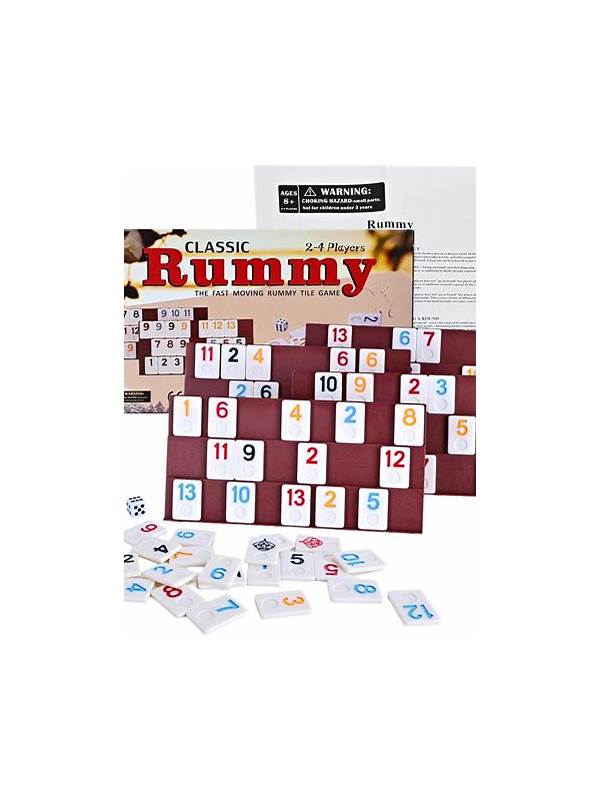
An unfamiliar rummy table can make a straightforward hand feel harder than it is. Buttons may be in different places, the discard pile may be visually subtle, and the timer can be easy to miss. Spending a minute on orientation before making a move reduces hurried decisions and helps you focus on the cards.
Start by identifying the four basic areas: your hand, the draw sources, the discard pile, and the status area. Confirm which pile is open and which is closed. Some interfaces use color, while others use labels or small icons. Do not assume that a bright card is always the discard pile; move your attention across the whole table and read the labels.
Next, locate the action controls. Find the draw button, discard action, sort control, and declaration control, even if you do not need them immediately. If the table supports drag-and-drop, learn whether a card must be selected first. A few seconds of exploration in a practice room is safer than discovering a control while the turn clock is running.
Check how the table shows turn ownership. Look for a border, countdown, seat highlight, or short message. The visible timer may start only after a draw, or it may run throughout the turn. Knowing this changes how you pace your review. Also check whether the table displays the current variant, points value, and player count.
Finally, test readability. Make sure card ranks and suits are clear at the current screen size, and reduce notifications or overlays that compete for attention. If sound is enabled, learn which tone signals your turn and which signals a result. These details are small, but they prevent mechanical errors.
The goal is not to memorize every feature. It is to create a reliable first glance: identify the rules, locate the piles, find the timer, then read your hand. Once that routine becomes automatic, more of your attention can go to grouping cards and choosing a discard.
If settings are available, improve readability before play begins. A larger card view, reduced animation, and muted notifications can prevent mechanical errors. Read warnings attached to declaration or entry buttons. Treat confirmation as a final check, not a reason to click faster. If anything remains unclear, use practice mode or read the help panel before entering a serious table. Orientation is part of preparation, just like sorting the hand.
If settings are available, improve readability before play begins. A larger card view, reduced animation, and muted notifications can prevent mechanical errors. Read any warning attached to a declaration or entry button. Treat that confirmation as a final check, not as a reason to click faster. A last glance at the variant name and available time gives you a stable starting point if the interface changes during the session.
Related Post
Rummy Tips: Use the Discard Pile as a Timeline
Reading the discard pile as a sequence of decisions can reveal useful information without requiring [...]
Rummy Tips: Notice When a Card Serves Two Different Roles
Learn how to evaluate cards that can support more than one possible grouping. [...]