Rummy Guide: Separate Hand Shape From Hand Story
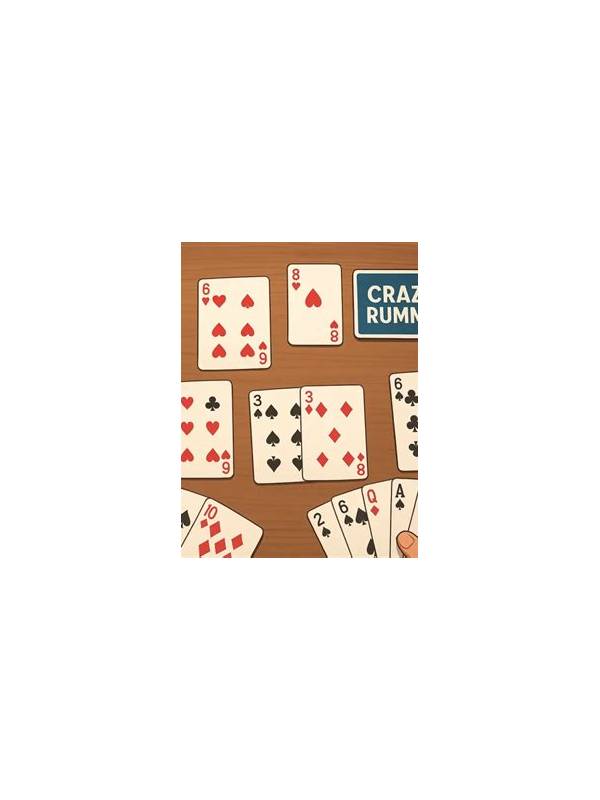
Players naturally create stories about a rummy hand: “This is a sequence hand,” “the table is favoring sets,” or “my opponent is collecting low cards.” Stories can be motivating, but they may cause you to ignore the concrete shape of the cards. Start with the shape, then decide whether a story deserves attention.
Describe the hand using neutral categories. Count complete groups, useful pairs, open connectors, isolated cards, and high-penalty cards. Note which cards serve more than one possible group. This description tells you what is present without claiming what the hand must become.
Only after the inventory, write a tentative story. For example, “There may be a set route because two cards share a rank,” or “the opponent may be avoiding a suit based on two visible discards.” Add a confidence label such as possible or strong. If the story conflicts with the inventory, trust the inventory until new information arrives.
The distinction matters when a hand contains one attractive pair. A story can make the pair feel like the center of the hand, even if it has no practical completion. The shape may show that the pair is blocking a connector and that releasing one card would create more repair routes. Conversely, a quiet connector can be underrated because it does not look like progress.
Use a two-pass sort. In the first pass, group cards by current structure. In the second, inspect possible futures and mark only the routes supported by several realistic outcomes. This prevents a vivid possibility from rearranging the whole hand before you have measured what it costs.
During review, identify the story that influenced your biggest decision. What facts supported it? What facts did it ignore? Was the story useful as a hypothesis or harmful as a commitment? The aim is not to eliminate intuition. It is to keep intuition answerable to the visible shape of the hand.
This method produces calmer decisions because it separates observation, interpretation, and action. The hand may still be difficult, but you can see exactly which part is difficult and what evidence would change your plan.
Try explaining the shape to a practice partner without using words such as “lucky,” “obvious,” or “meant to be.” Then add your story and say which facts would confirm it. This exercise exposes assumptions while preserving the creative part of planning. It also improves explanations. Clear language helps partners learn. It makes uncertainty visible.
Related Post
Rummy Guide: Use Turn Order to Set Better Expectations
A simple turn-order framework helps rummy players plan without pretending to know the next card. [...]
Rummy Comparison: Practice Against Bots or Friends?
Bots offer repeatable drills, while friends provide varied human choices; combining both can make practice [...]