Rummy Guide: Separate Hand Strength From Opponent Pressure
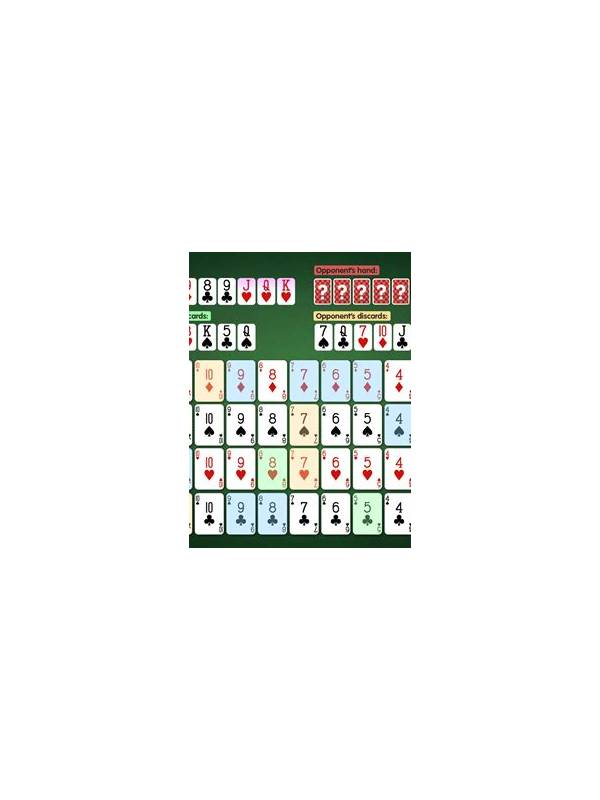
A fast opponent can make an ordinary rummy hand feel weak, while a slow table can make a fragile hand feel safe. Separate your hand strength from opponent pressure so the visible pace does not replace your own evidence.
Evaluate hand strength first. Count confirmed groups, realistic completion routes, expensive ungrouped cards, and the number of turns your plan can survive. This gives you an internal assessment. Do it before interpreting another player’s discard or speed. A hand with one confirmed natural sequence and low-cost singles may be stable even if someone else appears close.
Then evaluate pressure. Look for observable clues: how quickly a player reduces cards, whether they take from the discard pile, and whether their discards suggest a consistent direction. These clues can influence the safety of your discard, but they do not reveal the full hand. A player may be fast because their cards fit naturally, or because they are taking a risk you do not need to copy.
Combine the assessments only at the decision point. If your hand is strong and the opponent pressure is uncertain, continue improving while avoiding an obviously useful discard. If your hand is weak and pressure is rising, favor low-penalty restructuring rather than a desperate exact-card chase. If your hand is strong but a particular discard could help an opponent, choose a comparable card that preserves your own structure.
Avoid changing your entire plan after one dramatic action. Use a short confirmation rule: require two related clues before treating pressure as meaningful. A single pickup or discard is information, not a verdict. This keeps the game from becoming a story about what you think another player must have.
When pressure is high, simplify rather than accelerate. Choose the discard that is easiest to explain from your own hand, then apply the opponent check to comparable alternatives. This preserves a stable process under time pressure and reduces the temptation to make a speculative move solely because another player appears confident.
Review both parts after the hand. Did your assessment of your own structure match the cards you held? Did opponent pressure change a sound discard into a poor one, or did it simply make you anxious? Separating the questions makes the review useful.
Good table awareness is not imitation. Build a clear view of your own hand, then use opponent actions to adjust risk at the edges. This produces calmer decisions when the table becomes fast or unpredictable.
Related Post
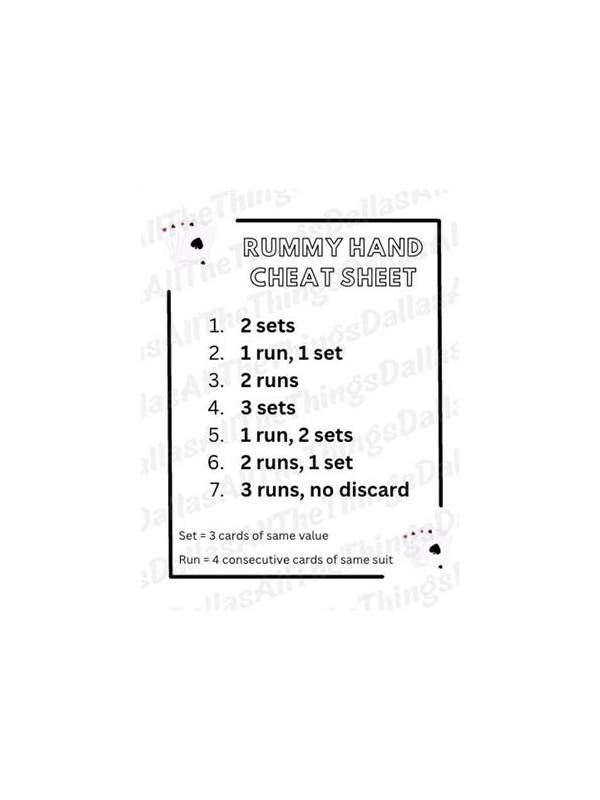
Rummy Hand Reassessment: A Five-Question Midgame Check
Five midgame questions help players update a rummy hand instead of clinging to an early [...]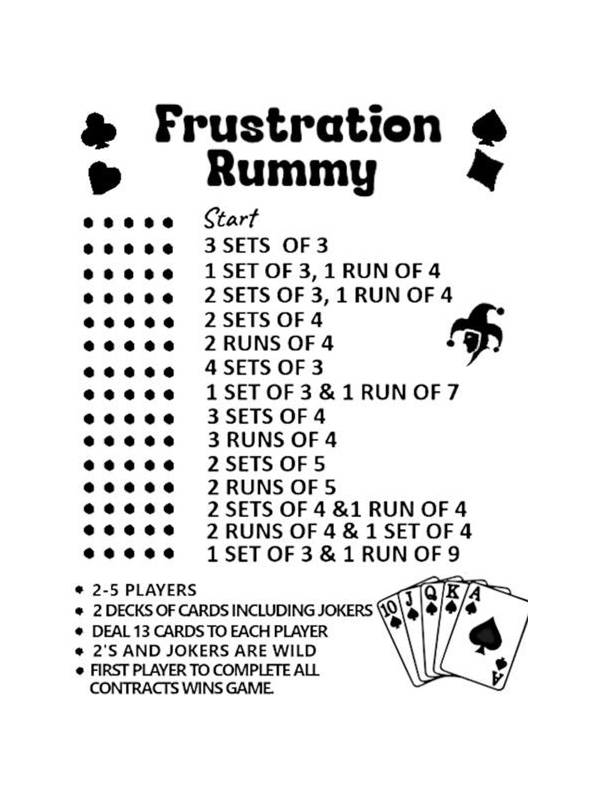
Rummy Practice: Compare Two Discard Candidates
Comparing two possible discards trains you to weigh structure, points, and opponent information together. [...]