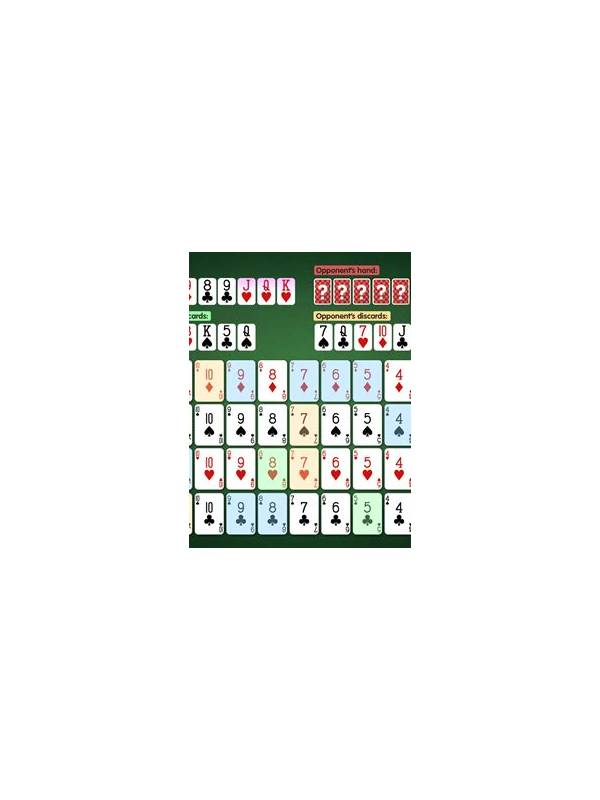
Rummy Guide: Know When to Stop Chasing a Run

Chasing a run means continuing to hold cards for a sequence after the route has become uncertain. Sometimes patience is sensible, especially when several cards can improve the structure. Sometimes the same patience is simply attachment to an attractive idea. A reassessment test can separate the two.
List the cards that would improve the run and distinguish broad improvements from one exact rescue card. A partial sequence with multiple neighboring possibilities offers more flexibility than a gap that only one rank can fill. The list should be based on the rules and visible information, not on a vague feeling that the deck will cooperate.
Then calculate the cost of waiting. What cards are being kept while the run develops? Are they high-point cards, isolated cards, or cards that could support another route? What happens if the next draw is neutral? A narrow run may be acceptable when its opportunity cost is small. It becomes expensive when it prevents a more practical group from forming.
Use a time or turn limit. For example, decide that after the next meaningful draw you will either improve the route or release its least flexible card. The exact limit varies by format and hand size. The purpose is to prevent indefinite waiting, not to create a universal formula.
Do not confuse a discarded card with proof that your run was wrong. A good decision can fail because of the deal or later draws. Review whether the route was reasonable when you chose it, whether new information changed its value, and whether you updated promptly. This keeps the lesson about process rather than luck.
When releasing the run, re-sort the entire hand. The cards that remain may form a different structure than the one you first saw. A pair can become a bridge, an isolated card can be removed, or two small groups can be compared more clearly. Stopping a chase is not surrender. It is a decision to stop paying attention and space to a route whose expected usefulness has fallen.
Related Post
Rummy Guide: Identify the Hand’s Bottleneck
Finding the single requirement or card route that limits a hand can make the next [...]
Rummy Draw Choices: When the Discard Pile Is Worth Considering
Rummy Draw Choices: When the Discard Pile Is Worth Considering offers practical guidance for clearer, [...]