Rummy Guide: Use Suit Distribution to Break a Tie

Two possible rummy routes can appear equally promising when you look only at rank. Suit distribution provides another way to compare them. It does not predict the next draw, but it can show which plan concentrates your cards into coherent groups and which plan leaves too many isolated leftovers.
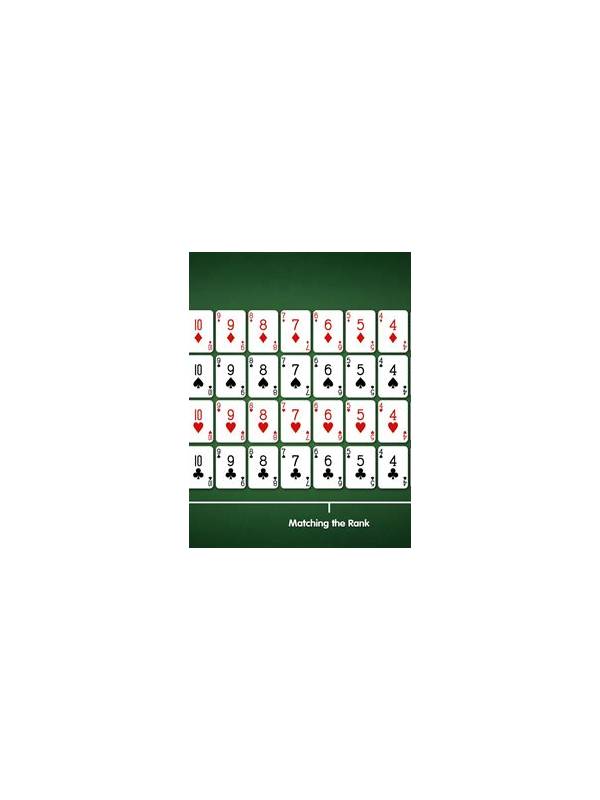
Begin by sorting the hand by suit, then by rank within each suit. Look for clusters, gaps, and single cards. A cluster is not automatically a sequence, but it gives you a clearer starting point than a collection of unrelated suits. A plan that uses a cluster may leave fewer loose cards after completion, while a rank-based set plan might require you to retain cards from several suits.
Suppose two routes both need one missing card. The first route uses three cards from one suit and leaves two singletons. The second uses cards across three suits and leaves a connected pair. The second may still be valuable, but the first has a structural advantage because it keeps the hand concentrated. Compare the entire remainder instead of celebrating the identical missing-card count.
Suit distribution is also helpful when choosing between similar discards. A lone card in a crowded suit may be less harmful to release than a card that bridges a small but promising cluster. Conversely, removing a middle card from a suit can destroy several relationships. Always check what disappears when the card leaves.
Do not treat suit concentration as a rule that overrides legality or score. A complete valid group is more important than an aesthetic layout. The method is a tie-breaker for uncertain choices, especially early in the hand when several routes have comparable support.
Use a quick three-part question: Which plan creates the fewest isolated cards? Which plan keeps the most useful connections in one area? Which plan has a reasonable fallback if the next draw misses? The plan that answers these questions best may be more resilient, even if both routes currently seem equally close.
Finish by checking public information. Cards already discarded or taken can change the value of a concentrated suit. Your distribution is evidence, not a guarantee. Treat it as one input alongside missing-card distance, turn order, and the cost of holding high-value leftovers. Used carefully, suit distribution turns a visual tie into a more explainable decision.
Related Post
Rummy FAQ: Why Does Hand Organization Matter?
Organized cards make legal groups, weak commitments, and missing requirements easier to see under time [...]
Rummy Comparison: First-Move Simplicity Versus Maximum Flexibility
Compare a simple opening plan with a wider flexible plan when both appear reasonable. [...]