Rummy Guide: Test a Meld Before You Commit
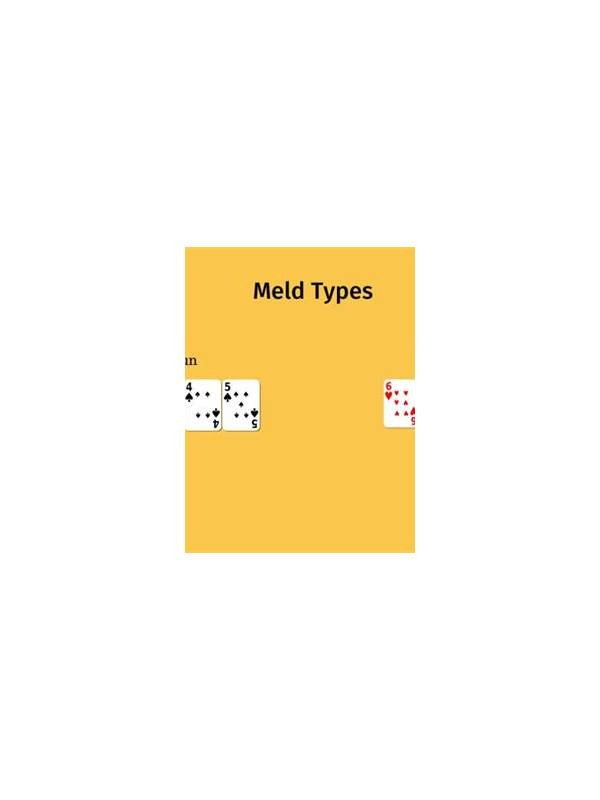
In rummy, a group can look attractive simply because several cards are close together. The useful question is not whether a meld looks neat, but whether it improves your entire hand. A quick test before committing a set or sequence can prevent you from spending a card that is still useful elsewhere.
Start by naming the proposed meld. For example, you might have 5 and 6 of hearts with a 7 of hearts available, or three queens of different suits. Then ask what the meld actually accomplishes. Does it complete a required pure sequence? Does it reduce high-point cards? Does it leave enough connectors for the rest of the hand? If the answer is unclear, leave the cards flexible for one more turn.
Next, count the cards that remain after the commitment. Look for isolated cards, duplicated ranks, and gaps that now cannot be bridged. A set may remove three cards while separating two cards that could have formed a sequence. Conversely, a sequence may be valuable even when it uses a card that could join a set, because consecutive cards usually have fewer natural homes.
Consider timing as well. Early in a hand, flexibility has a high value because many draws remain. Near the end, certainty matters more than possibility. A nearly complete hand may justify a commitment that would be too narrow during the opening turns. This is not a fixed rule; it is a reminder to match the decision to the remaining time.
Finally, inspect the discard you would make after forming the meld. If the proposed move leaves you with an obvious, safe discard, it is stronger. If it forces you to throw a card that an opponent has been collecting, pause. A good meld should improve both your structure and your next action.
Practise the test with imaginary hands. Before each move, state the meld, the cards left, the likely discard, and the best alternative. The exercise takes only a few seconds once familiar. It encourages deliberate choices without slowing a table unnecessarily. The goal is not to avoid every commitment; it is to make each commitment earn its place in the hand. You can make the test quicker by using a fixed order: requirement first, remaining structure second, discard third. If the meld fails the requirement check, stop there. If it passes but creates an awkward remainder, compare one alternative arrangement. This protects attention at a live table and creates a useful review note about which check changed your mind.
Related Post
Rummy Safety: Set Boundaries for Notifications and Play Time
Simple device and schedule boundaries can keep online play from becoming an unwanted interruption. [...]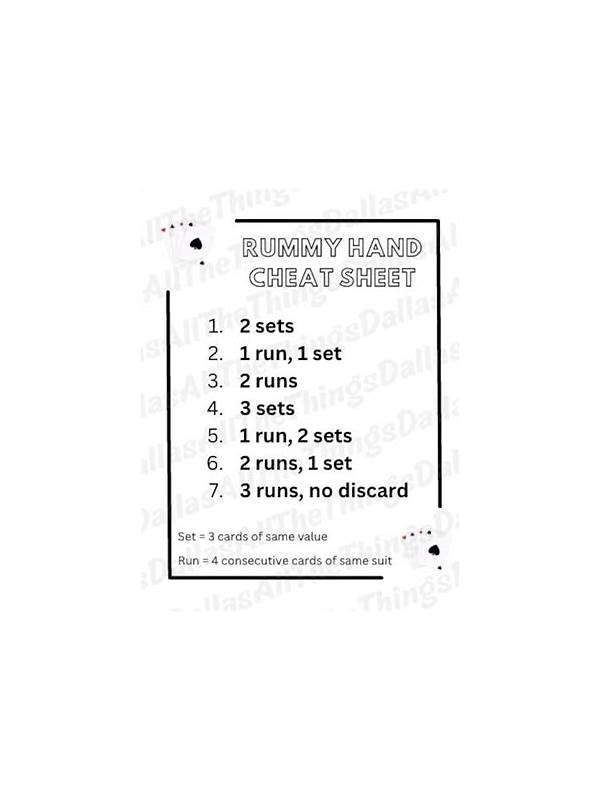
Rummy Hand Triage When Several Cards Need Help
Learn how to decide which unfinished part of a rummy hand deserves attention first. [...]