Rummy Guide: Use a Three-Column Card Inventory
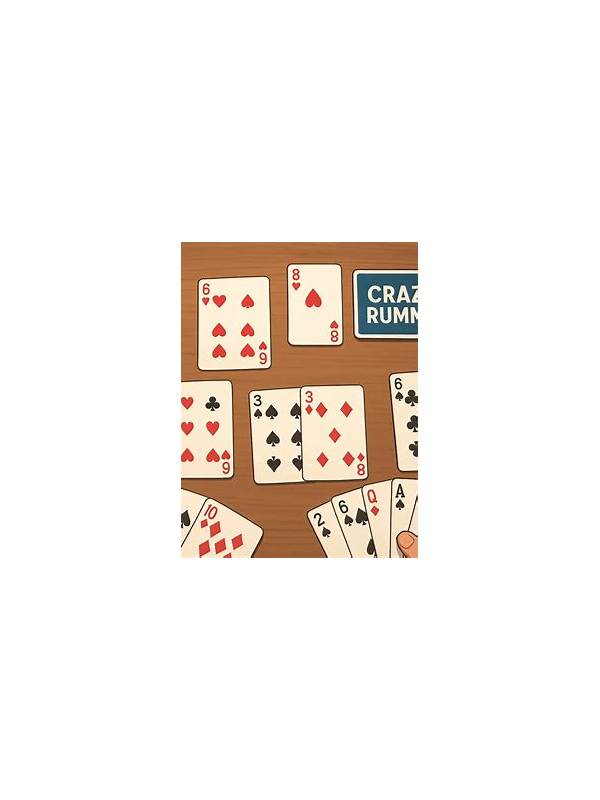
When a rummy hand feels confusing, the problem is often not a lack of ideas but too many ideas competing at once. A simple inventory can reduce that noise. Divide the cards you hold into three columns: committed melds, active possibilities, and isolated cards. This is a thinking aid, not a rule, and it works best when updated after meaningful changes.
Start with committed melds. Put a completed pure sequence, a confirmed sequence using a joker, or a clear set here. A card belongs in this column only when you would be genuinely reluctant to break the group. The distinction matters because a loose pair should not receive the same protection as a finished structure. If a group is technically complete but leaves the rest of the hand stranded, keep it in a separate mental note until the table rules and your overall plan make it valuable.
The second column is for active possibilities. Record pairs, connectors, and cards that could join more than one route. Add a brief label such as “needs one middle card” or “works with two suits.” Avoid writing every imaginable combination. A possibility is active only if there is a reasonable next step. This prevents a single attractive card from absorbing attention simply because it has many theoretical neighbors.
The final column contains isolated cards and expensive leftovers. High cards with no connection deserve quick attention, but a low card can also be isolated if it has no credible use. Mark any card that is expensive and difficult to replace. During your turn, compare the candidate discard against this column first, then ask whether it is secretly supporting an active route.
After each draw, move cards between columns rather than rebuilding your entire hand. If a needed connector arrives, promote the relevant cards. If a speculative pair survives several turns without improvement, demote it. The inventory therefore records changing evidence instead of preserving your first impression.
This method also helps with explanations after a game. You can ask when a possibility became committed, why an isolated card stayed too long, and whether a draw changed the hand or merely made it look prettier. Keep the notes neutral and short. The goal is faster, clearer decisions under the same rules, with a defined reason for every card you keep.
For a faster version, use one word per card group rather than a written list. “Done,” “maybe,” and “out” are enough to trigger the same questions. When the hand contains a joker, add a small note about its best current use. This keeps the inventory practical during a timed game and makes it less likely that bookkeeping will distract you from the table.
Related Post
Rummy Connection Problems: A Calm Recovery Checklist
A practical checklist helps online rummy players protect a hand when a connection becomes unstable. [...]
Rummy Guide: Judge Middle Cards by Their Neighbors
Middle-ranked cards can be flexible, but their value depends on suit, nearby cards, and realistic [...]