Rummy Guide: Use a Three-Step Card Rotation
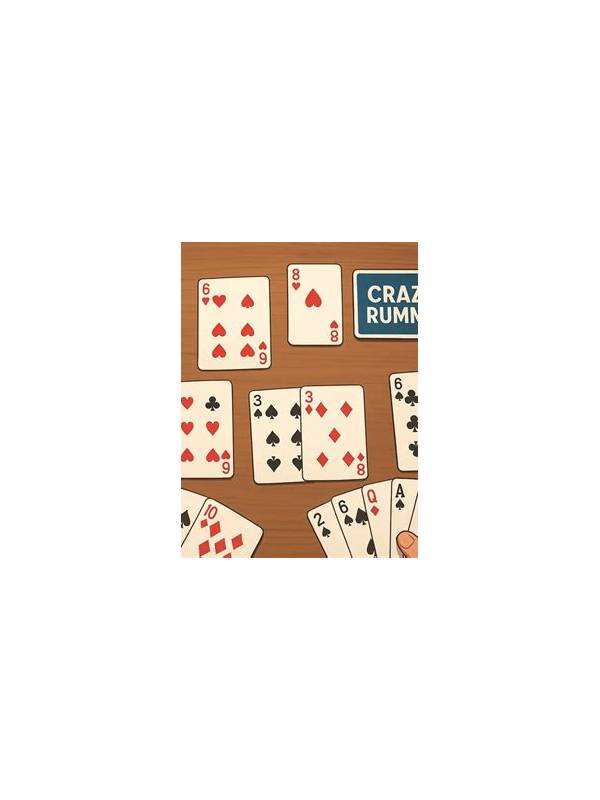
An opening hand can look different after every draw. A card that seemed central may become awkward, while a quiet connector may gain value. A three-step card rotation gives you a repeatable way to update your plan without rebuilding the entire hand after every turn.
Step one: name the current job
Give each card a temporary job: anchor, connector, pair candidate, joker partner, or discard candidate. These labels are not permanent. An anchor belongs to a group that already has structure. A connector could join two neighboring cards. A pair candidate has a matching rank or a plausible set route. A joker partner is a card whose value depends on a flexible card. Everything else is a discard candidate.
The point is not to predict the exact winning hand. It is to make your assumptions visible. If six cards are all marked as important, the label is not helping. Keep only the strongest two or three jobs and leave the rest uncommitted.
Step two: rotate attention
After a new draw, inspect cards in a fixed order. First look at the weakest current job. Could the new card replace it? Next inspect one card that serves two routes. Does the draw strengthen both routes, or only make one route feel attractive? Finally inspect the most expensive loose card, especially a high card that has no neighbor.
This rotation prevents a common mistake: staring at the new card and forcing it into the hand. Every draw should be compared with something already held. A modest card that improves two groups can be better than an exciting card that creates one narrow possibility.
Step three: release one commitment
Before discarding, identify one assumption you are willing to abandon. It might be a pair you have protected for several turns, a high card you kept for emotional reasons, or a route that requires one exact card. Releasing one commitment creates room for evidence from the next turn.
Write a short note after practice hands: “I kept the pair because…” If the reason is only “it might work,” the pair needs a deadline or a lower priority. The rotation is a decision aid, not a promise that every hand can be repaired.
Use the method quickly in live play. Name jobs, rotate attention, and release one commitment. Over time, this makes hand evaluation calmer and reduces the cost of changing direction.
If the table moves quickly, shorten each step to a word: job, rotate, release. That small routine interrupts a rushed reaction. During slower practice, explain each label aloud and notice which card changed roles. The more often you update roles deliberately, the less likely you are to confuse familiarity with strength or keep a card only because it has been visible for several turns.
Related Post

Rummy Tips: Separate Evidence From Interpretation
Distinguishing visible rummy evidence from your interpretation helps prevent confident decisions built on weak assumptions. [...]
Rummy Guide: Read the Open Pile Without Overreacting
Use the open pile as evidence while avoiding exaggerated conclusions from one visible choice. [...]