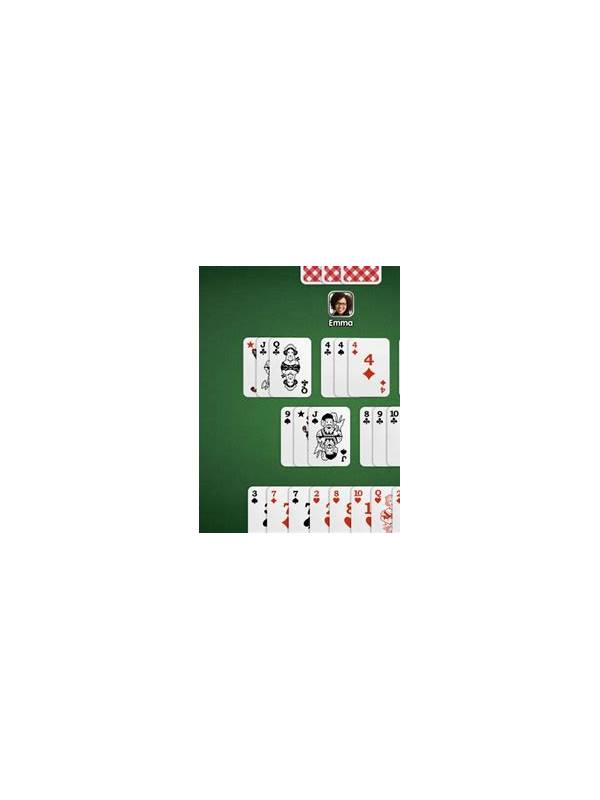
Rummy Guide: Use a Turn-by-Turn Planning Grid
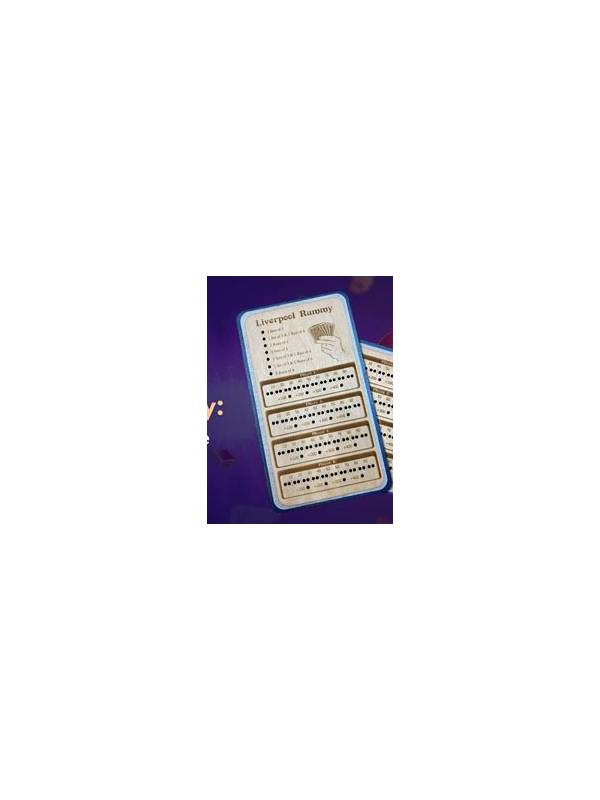
A planning grid is a small record with one row per turn and four columns: new card, strongest structure, weakest card, and next check. It is useful during offline practice and for quick review after an online round.
In the new-card column, write only the card or category that changed your options. The strongest-structure column names the group you are currently protecting. The weakest-card column identifies the card most likely to leave if nothing improves. The next-check column sets a question for the following turn, such as whether a gap remains viable.
The grid prevents a common error: remembering the result while forgetting the sequence of choices. It also makes plan drift visible. If the strongest structure changes every turn without a clear reason, you may be reacting to individual cards rather than building a coherent hand. If the weakest card never changes, you may be avoiding a necessary release.
Keep entries short. “Heart 6–7; hold 9; seek 5/8” is enough. Do not try to record every opponent action while making your own decision. After the round, add one note about information from the table that changed your risk assessment.
The grid should remain flexible. A strong draw can replace the old plan, and a declaration threat can make point reduction more important. Mark such changes as deliberate reassessments, not failures to follow the original plan.
Review several grids together. Look for recurring deadlines that you ignored, cards you repeatedly overvalued, or situations where a simple alternative was available. The planning grid is not a prediction tool; it is a visual aid for improving the quality and consistency of your decisions.
For a physical practice hand, use index cards or a notebook page. For an online round, reconstruct the grid afterward if entering notes during play would slow you down. The record does not need to be beautiful. It needs to preserve enough context that tomorrow’s review can distinguish a deliberate change from a forgotten one. One useful addition is a confidence mark from one to three. A low mark means the choice was made with little evidence; a high mark means the plan was supported by visible structure and clear rules. Confidence is not a prediction of winning. It simply tells you which decisions deserve closer review later. Do not let the grid replace attention to the live table. In a fast game, make the decision first and reconstruct the row afterward. The value comes from preserving the reason, not from writing during a moment when notes could cause a misclick or missed turn. Adapt the tool to the pace of the format.
Related Post
Rummy App Data Usage: Keep Mobile Sessions Predictable
A few device and app settings can make mobile rummy sessions easier to monitor on [...]
Rummy Comparison: Counting Groups or Counting Unresolved Needs
Two ways of reading a hand can lead to different priorities, so learn when each [...]