Rummy Guide: Use a Two-Question Check Before Taking a Discard
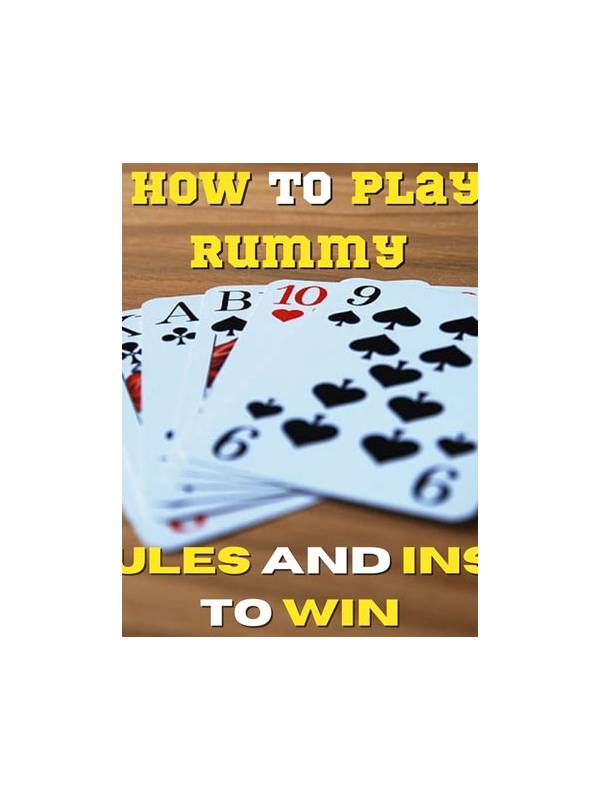
Taking a visible discard can feel like a free improvement, but it is also information given to the table. Before picking it up, ask two questions: what exact job will the card perform, and what will you discard after taking it? If either answer is unclear, the card may be less useful than it appears.
The first question separates a real improvement from a speculative one. A card that completes a group or creates a broad, legal sequence route has a defined role. A card that merely matches the color or sits near an isolated rank has a weaker claim. Look at the whole hand, not just the two cards beside the discard. Taking one card can force you to keep several unrelated cards because you no longer have a clean release.
The second question exposes the cost of the pickup. If you cannot name a discard, you may be increasing congestion. Choose the candidate you would release if the card had arrived from the deck, then compare its point value and strategic role. If every candidate is important, the visible card has not solved the hand; it has only added another option.
Consider what the pickup tells opponents. An early pickup can reveal a suit, rank, or sequence direction. That is not always a reason to refuse a good card, but it is part of the price. If a quieter route offers similar progress, the hidden draw may be preferable. Never take a discard simply to prevent another player from getting it unless that choice also makes sense for your own hand.
Apply the check quickly and consistently. “Job?” identifies the benefit. “Release?” identifies the cost. Then confirm that the move follows the table’s rules and does not rely on an unsafe or unverified platform. Good discard decisions combine hand improvement with information management; neither side should be ignored.
The check is also useful when the discard appears to solve a visible problem. A completed pair may still leave an expensive singleton, and a sequence extension may consume the only card that could protect a required structure. Take a breath, arrange the hand after the hypothetical pickup, and inspect the new shape. If the result is cleaner and your release is clear, the pickup is easier to defend.
If the visible card is valuable mainly because it denies another player, pause before acting. Blocking is only worthwhile when your own hand also improves or your rules explicitly make denial strategically important. Otherwise you may reveal your plan and keep a card that does not help you finish. Self-improvement should remain the primary test.
Related Post
Rummy Tips: Use the Clock as a Focus Cue
A time limit can prompt a clear routine, but it should never replace checking the [...]
Rummy Comparison: Early Discarding Versus Early Conservatism
Both aggressive clearing and cautious holding have a place, depending on hand structure and the [...]