Rummy Guide: Use a Dependency Map for Unfinished Groups
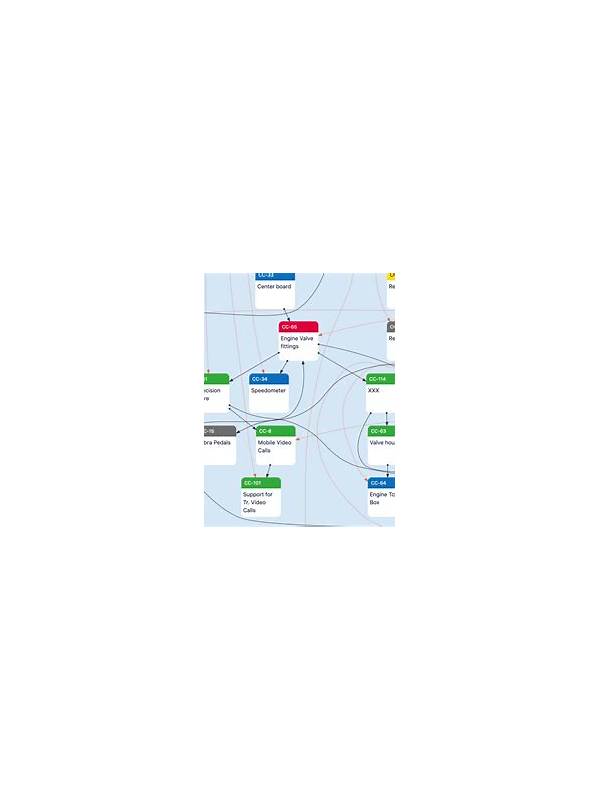
An unfinished rummy hand can look promising because several cards seem connected. A dependency map makes the promise more precise. For each possible group, list the missing cards it needs and note whether any held card can serve another role.
Take a connected pair such as 5 and 6 of one suit. Its immediate dependencies may be 4 or 7 of that suit. If you also hold 8, the group has two possible extensions, but the 8 may be part of another useful pattern. Write down both the opportunity and the cost. A plan with two possible completions is more flexible than one requiring a single exact card, yet it may still be poor if committing to it strands high-value cards.
Separate confirmed groups from candidates. A confirmed sequence has already met the relevant rule requirements. A candidate is an idea that still depends on future cards. Keep these visually or mentally distinct so a hopeful arrangement does not receive the same confidence as a completed one.
Rank dependencies by difficulty. A missing card that can enter from several ranks or suits may be broadly attainable, depending on the format. A single exact card is narrow. A plan that needs two linked draws is more fragile than one that needs only one. You do not need exact odds to use this ranking; you need an honest count of conditions.
Update the map after every draw and discard. Remove a dependency when it is satisfied. Reduce confidence when a relevant card becomes visible in the discard pile. If a candidate accumulates too many conditions, release it and preserve cards that support simpler groups. This prevents sunk-cost thinking from keeping a weak plan alive.
The map can be as simple as three notes: group, missing cards, and alternative use. Its value comes from making hidden assumptions visible. When a decision feels difficult, compare the candidates by number of dependencies, flexibility, and penalty if they fail. That small structure often reveals which plan deserves another turn and which one should be abandoned now.
You can practice with a paper hand by writing candidate groups on separate lines and circling each missing card. Cross out one requirement at a time as new cards appear. The visual exercise trains the same habit without the speed or pressure of a live table, and it makes dependency errors easy to spot.
Related Post

Rummy FAQ: Why Can a Safe-Looking Card Be Risky?
A card that appears harmless can still be risky when it improves an opponent’s likely [...]
The Ultimate Guide to the Best Roulette Tracker Reddit
The Ultimate Guide to the Best Roulette Tracker Reddit Are you tired of losing money [...]