Rummy Guide: Use Discard Pile Clues With Care
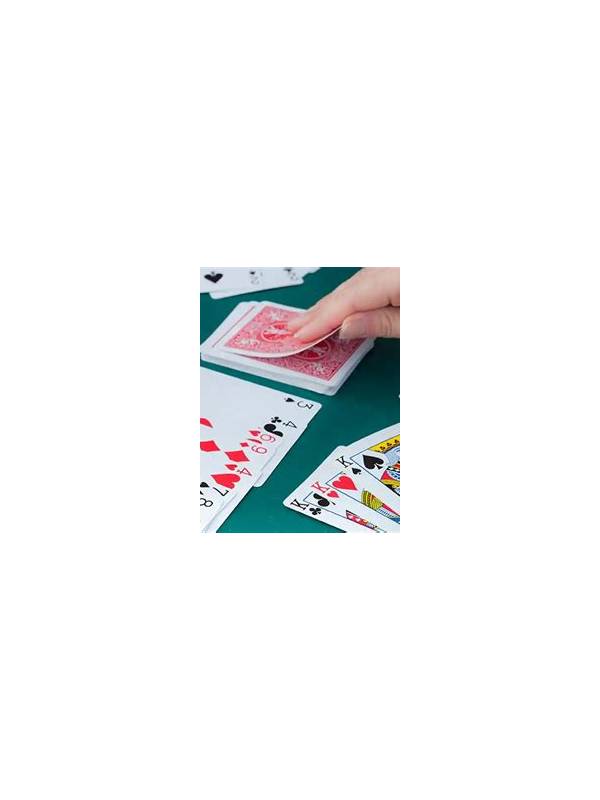
The discard pile is a useful record of what players have rejected, but it is not a complete map of anyone’s hand. Treating every discard as a message can lead to overconfident decisions. A calmer approach is to collect small clues, compare them with your own needs, and remain willing to change direction.
Start by noticing the most recent cards rather than trying to memorize the entire pile. A card discarded moments ago may be relevant to the current turn, while an older card may already have been replaced by a different plan. Look for repeated ranks, suits, or connected values. One card is an observation; two related cards are a pattern worth checking.
Next, compare the pile with your hand. If you need a card that has just appeared, ask what taking it would improve immediately. Do not take it merely because it is available. It should either complete a useful group, create a strong connection, or remove uncertainty from a nearly finished arrangement. If it only preserves a vague possibility, a fresh draw may be better.
Be careful with negative conclusions. A player discarding a six does not prove that they do not need fives or sevens. They may have changed plans, held another copy, or simply chosen the least harmful discard. Read the pile as probability, not certainty. This keeps you from throwing away a useful card solely to block an imagined opponent.
One simple routine is to ask three questions before drawing: What does this card improve? What does its absence suggest, if anything? What is my safest discard if the draw does not help? The questions take seconds and prevent the pile from becoming a distraction. With practice, the discard pile becomes a quiet source of context rather than a source of dramatic guesses.
It also helps to distinguish a card that was passed from a card that was never considered. The pile records an action, but not the alternatives available to the player. A discarded card may have been the least useful of several poor choices. This is why a single discard should rarely determine your whole plan.
If you use notes during practice, record only the clues that changed your decision. For example, note that a connector appeared twice or that a high card was repeatedly avoided. Later, ask whether the clue improved your choices or merely encouraged a story. Good observation narrows uncertainty without pretending to eliminate it.
Related Post
Rummy Tips: Use a Two-Column Discard Review
A quick two-column method can make discard choices more consistent and easier to explain. [...]
Rummy How-To: Create a Simple Endgame Checklist
Use a short endgame checklist to prevent avoidable declaration and scoring errors. [...]