Rummy Guide: Use Suit Distribution to Read a New Hand
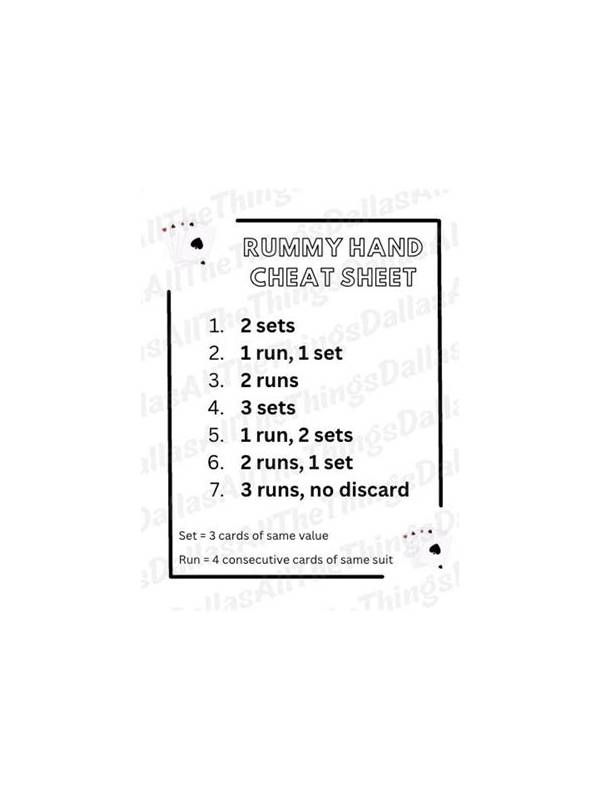
When a new rummy hand appears, it is tempting to focus on the two or three cards that already look connected. Suit distribution can provide a wider view before you commit to a plan. It does not predict the next card, but it helps you judge how many realistic directions your hand contains.
Start by counting cards in each suit. A hand with five hearts, four clubs, two diamonds, and one spade has a different character from a hand with three cards in every suit. The first hand may support several same-suit sequences, while the second may need more careful rank-based matching. This count is only a starting point; a concentrated suit is useful only when the ranks are reasonably close.
Next, mark adjacent ranks within each suit. Seven, eight, and ten of hearts offer a natural connection even though the nine is missing. A four-card spread such as four, six, seven, and ten is less promising because it requires multiple specific cards. Distribution and adjacency should therefore be read together.
Look for overloaded suits. If most of your useful cards belong to one suit, keeping every one of them may create a narrow plan. Retain the strongest connected group and identify one flexible card elsewhere. This preserves an alternative if the expected suit cards do not arrive. A hand should not become hostage to one attractive color.
Finally, revisit the count after each draw. A new card can change the balance immediately. If a second suit now contains a near-sequence, you may safely release a high card from the original plan. Think of suit distribution as a map that changes, not a label fixed at the beginning.
The method is especially helpful for beginners because it slows down impulsive grouping. Count suits, inspect adjacency, rank the plans, and keep an exit route. Good organization does not guarantee a win, but it makes each draw easier to evaluate and reduces the chance of carrying a weak idea simply because it looked promising first.
One caution is important: suit counts should never override the rules of the format. A concentrated suit may be useful for a sequence, but three cards of one suit are not automatically a group. Check rank order, suit identity, and joker treatment before deciding that a pattern is complete. If you are unsure, keep the cards organized while consulting the table rules. Accuracy comes before speed. This view is also useful when comparing a hand with a friend during practice. Explain the distribution first, then explain the connections, so the conclusion can be checked. If your plan depends on a card that would complete several arrangements, mark that dependence clearly. Shared language about suits and ranks makes review more precise and keeps a lucky outcome from looking like a guaranteed method.
Related Post

Rummy Comparison: Chasing One Card Versus Preserving Options
A narrow one-card chase can be worthwhile, but preserving options is often safer when the [...]
Rummy Practice: Rehearse the Draw-and-Discard Sequence
A short rehearsal drill improves rummy decision order without requiring a live table. [...]