Rummy Guide: Use a Three-Column Hand Map
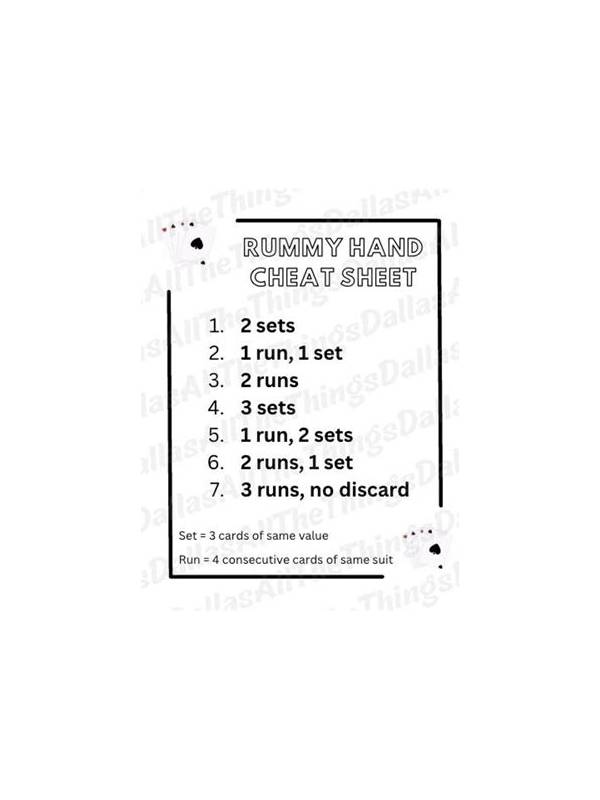
Rummy hands can feel confusing because every card seems to belong to several stories at once. A three-column hand map makes the situation visible without forcing an early commitment. The method works for practice and live play because it is quick, flexible, and based on what the cards actually show.
Start with the confirmed column. Put cards there only when they already form a legal or nearly certain group under the table rules. A completed sequence, a clear set, or a strong pure sequence belongs here. Do not use this column for a pair that merely looks attractive. The purpose is to identify what is already doing useful work and should not be disturbed casually.
The second column is for possible links. These are cards with at least two realistic connections. A middle card may join neighboring ranks in its suit, or a card may combine with another card to create more than one set possibility. Write the missing cards beside each link if you are using paper. This prevents a vague feeling of promise from becoming an unexamined plan. A link is useful because of its alternatives, not because it is interesting in isolation.
The final column contains decisions. Place isolated high cards, duplicate cards with no clear route, and links that have become too narrow here. This does not mean every card must be discarded immediately. It means each card has an outstanding question: keep it for one draw, test it against the discard pile, or release it now. Naming the question is more helpful than repeatedly rearranging the same cards.
Update the map after every meaningful draw. Move a card into confirmed when a group becomes sound, move a failed link into decisions, and split a possible link when one of its needed cards becomes unlikely. Avoid rewriting the whole hand after every minor event; change only the column affected by the new information.
Before discarding, scan the three columns in order. Protect confirmed groups, compare possible links by flexibility, and choose among decision cards by penalty and recovery cost. This simple map does not predict the deck. It gives each card a clear job, which makes calm decisions easier when the hand changes.
When playing online, the map can be mental rather than written. Use the order of your cards or a private, non-sensitive note, provided that the platform rules allow it. Avoid recording account details with hand notes. The best map is the one you can update quickly and abandon cleanly when a new card changes the evidence.
Related Post
Rummy Suit Balance: A Simple Way to Judge Your Opening Hand
Learn how suit distribution can reveal strengths and risks before your first draw. [...]
Rummy Tips: Treat the Discard Pile as a Sequence of Decisions
Viewing discards as a sequence of decisions reveals more than memorizing isolated cards. [...]