Rummy Guide: Use a Two-Column Decision Journal
Why separate observation from judgment?
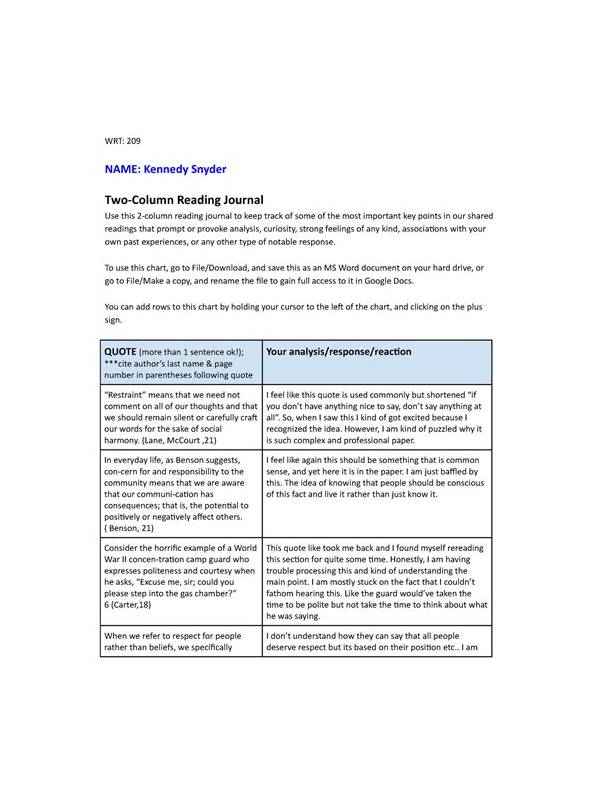
Rummy decisions become easier to review when facts and interpretations are not mixed together. A two-column decision journal gives each turn a small record: the left column contains visible information, while the right column contains your choice and its reason. This is not a demand to write down every card. It is a short learning tool for practice sessions, especially when you notice that a hand felt confusing or rushed.
Build the observation column
Write only things you could actually know. Examples include “a seven of hearts was discarded,” “my hand has one confirmed sequence,” or “the opponent picked from the discard pile.” Avoid predictions such as “the opponent must be building hearts.” If a fact is uncertain, label it as uncertain. This discipline prevents a later review from treating a guess as evidence.
Record the decision column
In the second column, note the card you drew, the card you released, and the main plan you were protecting. Keep the explanation short: “kept the middle card because it connected two routes,” or “discarded the high point card because it had no current partner.” The purpose is to expose the decision rule, not to produce a dramatic story about the result.
Review without judging the result
After the hand, compare your choice with the information available at that moment. A winning discard can still be poorly reasoned, and a losing discard can be sensible. Ask whether you overlooked a known connection, valued a card only because it had worked earlier, or changed plans without noticing. Mark one observation for next time. A single practical correction is more useful than a list of complaints.
Keep the journal lightweight
A useful example
Suppose you draw a card that connects two loose cards but also makes a completed group harder to see. In the observation column, record the confirmed group, the new connector, and the opponent action you noticed. In the decision column, state which route you kept and why. Later, ask whether the connector had genuine support or merely looked attractive. This comparison turns an uncertain turn into a repeatable lesson.
Use it for three to five important turns rather than every turn of every game. A phone note or paper grid is enough. Over several sessions, repeated phrases will reveal habits: holding disconnected high cards, chasing a narrow route too long, or ignoring information from the discard pile. The journal works best when it stays factual, brief, and private. It should support calmer decisions, not add pressure to play.
Related Post

Rummy Strategy: Compare Discards by Information Cost
A discard can change what opponents learn, so card value should include information as well [...]
Rummy Comparison: Visual Groups Versus Written Group Labels
Visual grouping is fast, while written labels can expose hidden assumptions during rummy practice. [...]