Rummy Hand Inventory: A Two-Minute Sorting Routine
The first few seconds after receiving a rummy hand can create either clarity or confusion. Some players immediately chase the most attractive pair they notice. A more reliable approach is to make a short inventory before deciding what to keep. This is not a prediction of the whole hand; it is a neutral snapshot that gives every card a role.
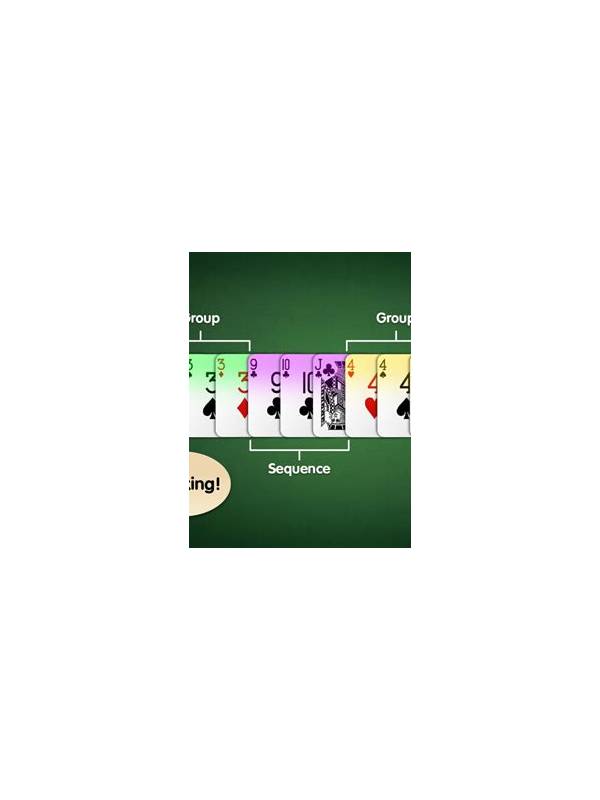
Begin by separating cards into three broad groups: cards already close to a sequence, cards that could support a group, and cards with no visible connection. “Close” should mean more than simply sharing a suit or rank. A six and seven of the same suit have a direct relationship. A six and eight have a gap that may or may not be useful. Keeping that distinction prevents hopeful combinations from receiving too much attention.
Next, mark any structure that is already dependable. A completed pure sequence, if the rules and hand permit one, is more valuable as an anchor than a loose pair. Do not break a reliable formation merely because another card looks exciting. Inventory is meant to reveal the hand’s current foundation, not encourage constant rearranging.
For the remaining cards, count the number of realistic connections each card has. A middle card can often connect in more than one direction, while a very high or very low card may have fewer options. This does not make high cards automatically bad, but it gives you a useful tie-breaker when two discards seem equally awkward.
Finally, identify one decision for the next draw rather than a complete plan for the entire hand. You might decide to protect a promising sequence, watch the discard pile for a missing rank, or reduce an isolated high card. A small next-step objective is easier to review later than a complicated story about what every card “must” become.
Use the routine during practice until it feels automatic. The goal is not to play slowly. It is to make your first scan consistent, so emotion and surprise do not decide which card receives your attention. When the inventory is clear, the next draw becomes information instead of a reason to panic. One useful variation is to speak the inventory quietly during practice: “anchor, live connection, isolated.” Speaking forces you to distinguish what is present from what you hope will appear. Later, remove the spoken aid and keep the same order internally. If your scan regularly takes too long, reduce the number of labels rather than skipping the routine completely. Consistency matters more than elaborate analysis, especially when the hand changes quickly.
Related Post

How to Test a Rummy Assumption During Practice
Turn uncertain beliefs about cards and rules into small practice tests that produce useful evidence. [...]
Rummy FAQ: Why Do Middle Cards Feel More Valuable?
Middle ranks often connect to more neighboring cards, but their real value still depends on [...]