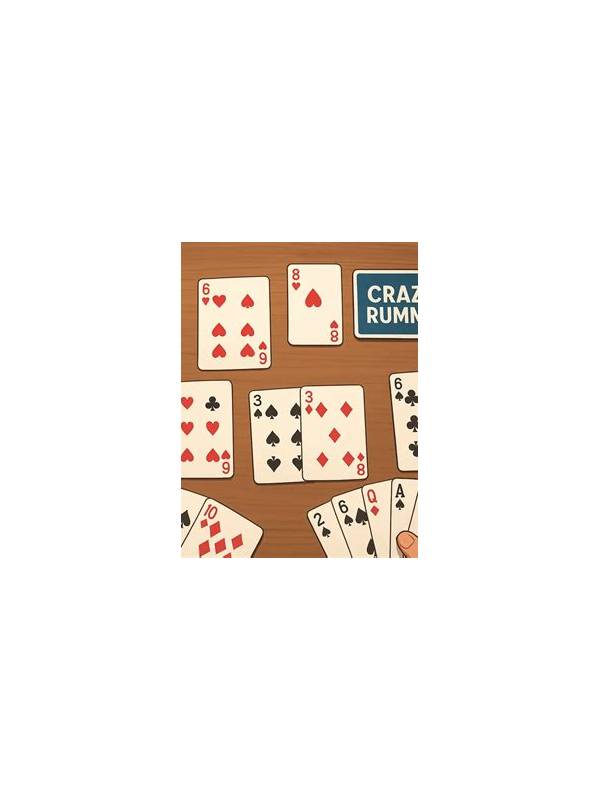
Rummy Hand Labels: A Simple Way to Track Changing Combinations
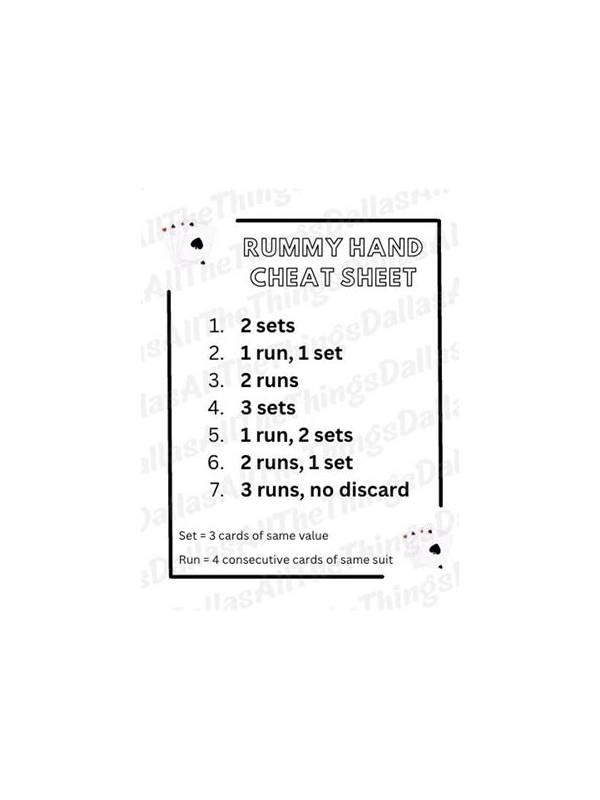
Turn a crowded hand into a map
Many rummy mistakes begin with a hand that is technically visible but mentally unorganized. A player sees several related cards and assumes they belong together, even when the group needs a card that may never arrive. A lightweight labeling system makes the difference between a confirmed structure and a hopeful idea easier to notice.
When you inspect your hand, mark each group in your mind as fixed, developing, or loose. A fixed group already satisfies the relevant sequence or set rule. A developing group needs one realistic connector. A loose card has no strong relationship with another card or depends on a narrow rank. These labels are not permanent; they should change after every draw.
How to use the labels
Begin with the strongest legal structure. If you have a pure sequence, treat it as fixed and avoid breaking it casually. Next find the group with the greatest number of useful future cards. A pair with two possible connectors is usually more promising than a pair that can be completed in only one way. Finally identify cards that are merely being kept because they look valuable.
During the next draw, update rather than restart. If a connector arrives, promote the group. If a needed card appears in the discard and is taken by someone else, downgrade the related plan. If several turns pass without progress, a developing group may have become a loose group. This prevents sunk-cost thinking from controlling the hand.
Choosing a discard
Labels are most useful at discard time. A loose high-value card is a strong candidate to release, especially when keeping it blocks a better arrangement. A developing group deserves protection only when its completion odds and strategic value justify the space. Be cautious with a card that serves two developing groups; it may be your most flexible resource.
The method also helps after a loss. Reconstruct the hand and ask when a fixed group was broken, when a developing group should have been abandoned, and whether a loose card stayed too long. You are not trying to predict the exact next card. You are learning to distinguish evidence from hope. That distinction makes future choices clearer without adding complicated notation.
You can apply the labels verbally during practice, or use a simple arrangement on the screen. Avoid writing down private information from other players. The exercise is about understanding your own hand, and the labels should disappear naturally as soon as the next draw makes a group clear.
Related Post

Rummy Safety: Recognize Pressure Tactics in Gaming Promotions
Learn to pause when promotional language tries to turn a casual decision into an urgent [...]
Rummy Comparison: Suited Pairs Versus Rank Pairs
Compare pairs by their realistic routes to a group or sequence instead of assuming every [...]