Rummy Hand Symmetry: Avoid Giving Equal Attention to Unequal Groups
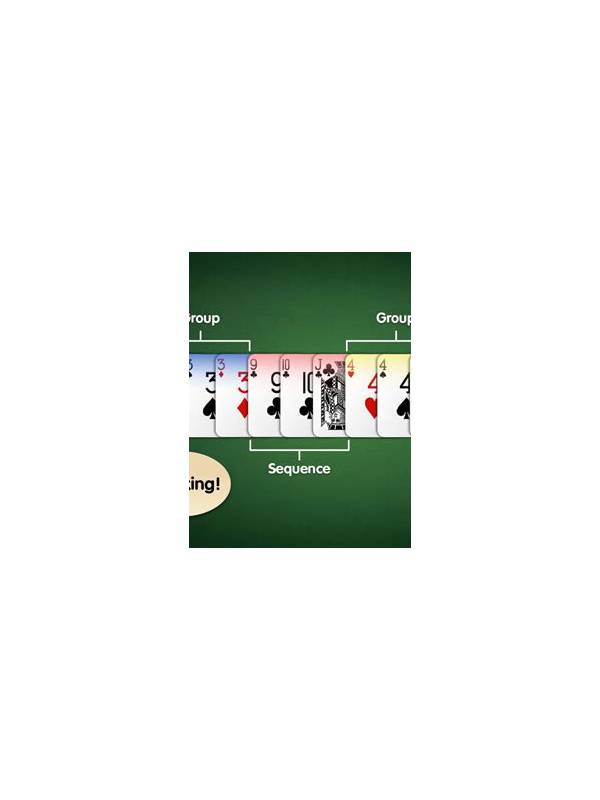
A neatly arranged hand can create the illusion that every partial group deserves equal attention. In reality, one pair may have several useful extensions while another depends on a narrow card. Hand symmetry is a visual convenience, not a strategic rule. Review groups by their prospects rather than by how much space they occupy on the screen.
For each partial group, identify completion distance, possible extensions, and carrying cost. Two pairs may look identical, but one may connect to several ranks and the other may have only one practical path. A three-card run may be close to completion, while a separated pair merely looks promising because its cards share a suit.
Assign groups simple protection levels: high, medium, or low. High protection goes to legal groups and important structures under the variant. Medium protection goes to flexible partial groups. Low protection goes to narrow ideas or expensive loose cards.
Let the hand become lopsided when the evidence supports it. Trying to maintain perfect balance can cause you to keep weak cards merely because they fill a visual gap. Prefer a clear priority to a tidy but unsupported arrangement. After rearranging, check that each card is counted once.
After the round, compare your protection levels with your decisions. Did a low-protection group consume too many turns? Did you abandon a flexible group too soon? The aim is not symmetry, but attention that matches evidence. A protection scale is useful only when it can change. Do not mark everything high merely to avoid regret. Legal groups, flexible connectors, and narrow speculative ideas should receive visibly different treatment. When a new card improves one group, lower the protection of any card that no longer contributes to the best arrangement. This may make the hand look uneven, but unevenness often reflects real differences in completion distance. Check your arrangement from both sides of the hand so visual order does not hide an unused card. In practice, say the protection level aloud or note it briefly before difficult turns. Afterwards, compare the level with the reason you gave. Did you protect a card because it had several uses, or because abandoning it felt uncomfortable? That distinction helps refine judgment. A clear priority is more useful than a balanced-looking hand, especially when the timer or rules require a quick, legal action.
Related Post
Rummy How-To: Use a Two-Column Hand Map
A simple two-column map helps players distinguish committed combinations from cards that still need evidence. [...]
Rummy Guide: Use Time Controls to Improve Decision Quality
Time controls can create a repeatable pace that supports careful rummy choices without making play [...]