Rummy Hand Temperature: A Calm Way to Describe Changing Options
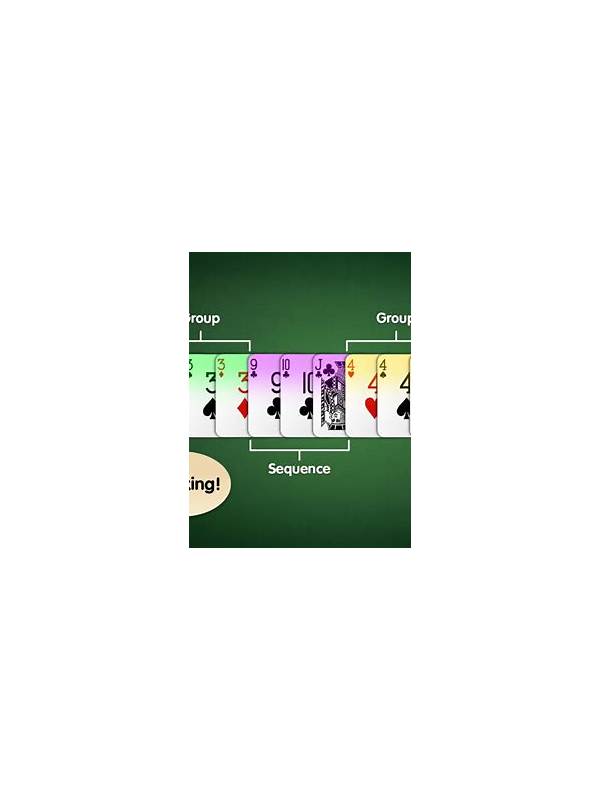
Players often describe a rummy hand as good or bad, but that language can hide useful detail. A hand can be awkward yet improving, or attractive yet becoming narrow. The idea of hand temperature offers a simple neutral vocabulary: a cool hand has few visible connections, a warm hand has several workable routes, and a hot hand is close to a declaration but may require careful checking.
Start by looking at the cards without deciding what to discard. Count complete groups, partial groups, isolated cards, and cards that serve more than one possible route. A cool hand usually has many isolated cards and no obvious pure sequence. The right response is not panic. First identify the cards that are expensive to keep and the cards that could connect in more than one direction.
A warming hand has evidence of progress. Perhaps two cards share a suit and sit near each other, or a pair can join a set through more than one rank. Mark those possibilities mentally, but do not treat every pair as a promise. A route becomes stronger when it needs fewer specific cards and does not destroy an already complete group.
A hot hand deserves slower attention, not excitement. Before declaring, verify that the required pure sequence exists, every card belongs to a legal group, and no card has been counted twice. This is especially important when a joker makes a group look complete. A hand that feels nearly finished can still contain one expensive loose card.
You can use the temperature idea after every draw. Ask three questions: did the new card create a legal group, did it create a second route, and did it make another card easier to release? If the answer to all three is no, the hand may have cooled even if the point total looks lower.
This vocabulary is useful for review because it separates progress from emotion. Write down when the hand warmed, when it narrowed, and which decision changed its direction. Over time, you will notice whether you commit too early to hot-looking hands or abandon cool hands before testing their best connection. The goal is not to predict a win. It is to make the hand’s current options easier to see.
When teaching this idea to a newer player, avoid presenting temperature as a ranking of skill. It is only a snapshot. A cool hand can improve quickly, and a hot hand can still fail a rules check. The useful habit is to describe the change accurately, then choose the next action that protects the most important structure.
Related Post

Rummy FAQ: When Should You Rebuild Your Hand Map?
Rebuild a hand map whenever a draw, discard, or table event changes the practical jobs [...]
Rummy Guide: Give Each Turn a Small Decision Budget
A simple turn budget helps players compare draws, discards, and risks without rushing or endlessly [...]