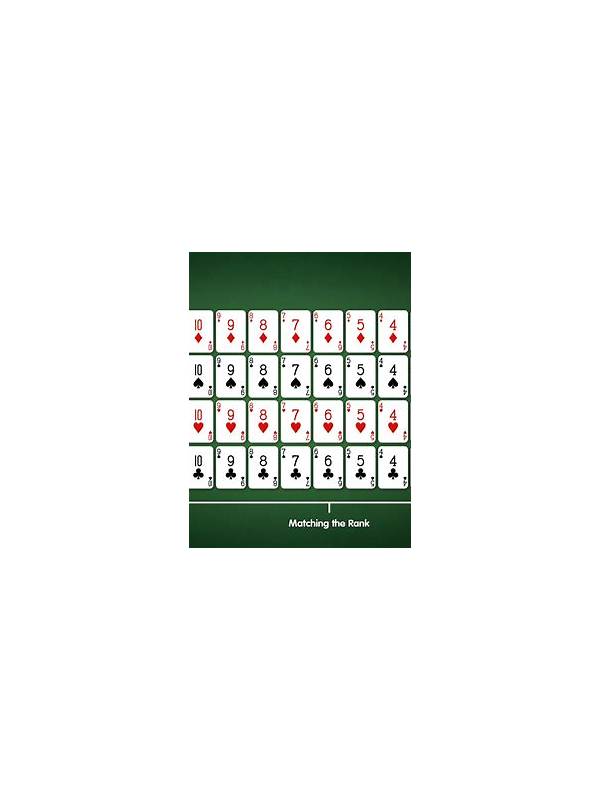
Rummy Hand Temperature: A Guide to Changing Plans
A rummy hand is not static. The cards you hold, the cards you see, and the time remaining all change the quality of your options. Thinking of a hand as having a “temperature” gives you a useful way to adjust without becoming attached to an early idea. A cold hand has few connections and needs patient information gathering. A warm hand has several plausible groups. A hot hand is close to a legal declaration, but can still be damaged by a careless discard.
Start by checking the hand immediately after arranging it. Count confirmed groups, possible groups, and isolated cards. A confirmed pure sequence is a stable foundation. A pair or one-gap run is warmer than a single card, but it is not a promise. Write down the two cards that would improve your best unfinished group. This turns a vague feeling into a small search list.
The temperature can rise when a draw completes a group or creates two useful routes at once. It can fall when a needed card becomes visible elsewhere, when a joker is forced into a weak structure, or when keeping one plan prevents a safer group from forming. Reassess after every draw rather than only when the hand looks nearly finished. A new card is evidence, not an instruction.
Use three questions during a reassessment. What is now certain? Which card has lost its only job? Which unfinished route has the cheapest repair? The cheapest route is not always the one needing the fewest cards; consider points, flexibility, and the risk of holding a high singleton. If a warm plan needs several unlikely cards, move your attention to a cooler but more dependable structure.
Temperature language is also helpful in the endgame. A hot hand deserves a legality check, not excitement. Verify that every card is used once, that the required pure sequence exists, and that jokers are placed according to the variant. A calm temperature check keeps an almost-ready hand from turning into an invalid declaration. Treat the label as a reminder to inspect evidence, not as a prediction of the result.
You can make the idea practical with a small note beside the hand. Write C for confirmed, W for workable, and L for loose. Change a mark only when a card arrives, leaves, or becomes impossible under the rules. This prevents mood from driving the assessment. A hand can feel cold while still containing a reliable route, or feel hot because one attractive pair is receiving too much attention. The marks keep the review tied to observable structure.
Related Post
Rummy FAQ: Should You Keep Two Incomplete Runs?
Keeping two incomplete runs can be sensible briefly, but only when their improvement paths are [...]
Rummy How-To: Create a Neutral Hand Review Template
A neutral review template turns a finished rummy hand into useful evidence without hindsight bias. [...]