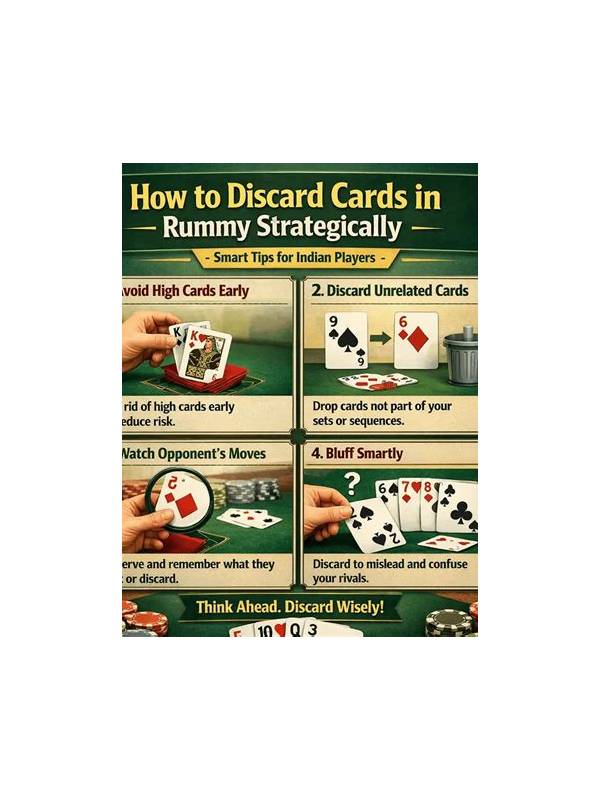
Rummy How-To: Build a Card Route With Checkpoints
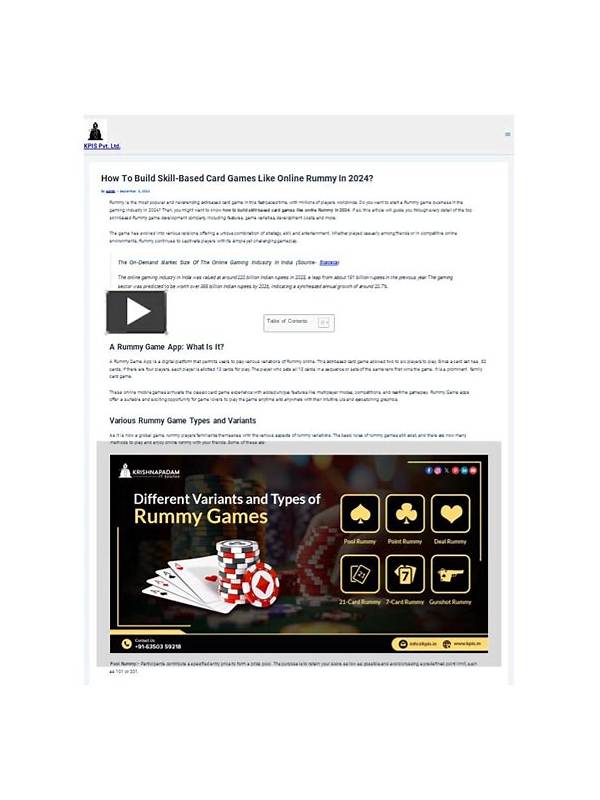
A card route is a plan for moving from the current hand to a legal declaration. A useful route has checkpoints, so you can test it before investing every decision in the same idea. This is safer than imagining a perfect final arrangement and hoping the required cards arrive.
At checkpoint one, identify the foundation. Mark the legal group that is strongest now and the cards that must not be disturbed without a clear reason. At checkpoint two, choose the next group to improve. Name the missing card or cards and list at least one alternative route. If there is no alternative, label the plan narrow and keep a flexible card elsewhere.
At checkpoint three, set a review trigger. The trigger might be a needed card appearing in the discard pile, a second failed draw, or a change in the table’s ending conditions. When the trigger occurs, compare the route again rather than continuing automatically. A plan that was sensible two turns ago may now have a higher repair cost.
At checkpoint four, test the remaining cards for legality. Count each physical card once, check joker placement, and confirm that the required sequence condition is met. Do this before the hand looks finished. Early legality checks expose overlapping groups while there is still time to repair them.
At checkpoint five, decide whether to finish or preserve one final option. A hot route may justify a direct declaration check. A fragile route may need one more draw only when the expected benefit is clear and the format allows it. Record which checkpoint changed your plan. That record is more useful than saying the route “worked” or “failed,” because it shows where your process needs improvement.
Checkpoints also reduce emotional switching. If a route fails, you do not need to replace the entire hand immediately; you only need to revisit the checkpoint affected by the new evidence. Preserve what is still legal and useful. This keeps a single missed draw from becoming a chain of hurried decisions. In review, mark the earliest checkpoint that should have changed. That is usually a better practice target than the final result.
Use plain language for each checkpoint so another reader could follow the route without seeing your original thoughts. Clear notes expose hidden assumptions and make future practice more efficient.
You can draw the route as a short arrow list: foundation, next target, review trigger, legality check, finish decision. The visual order prevents a distant goal from hiding the immediate action required on the current turn.
Related Post
Rummy Tips: Use a Neutral Phrase After a Bad Draw
A neutral phrase can interrupt emotional reactions and return attention to the actual rummy position. [...]
Rummy How-To: Build a Decision Ladder for Difficult Turns
A short decision ladder gives you a repeatable order for checking legality, structure, information, and [...]