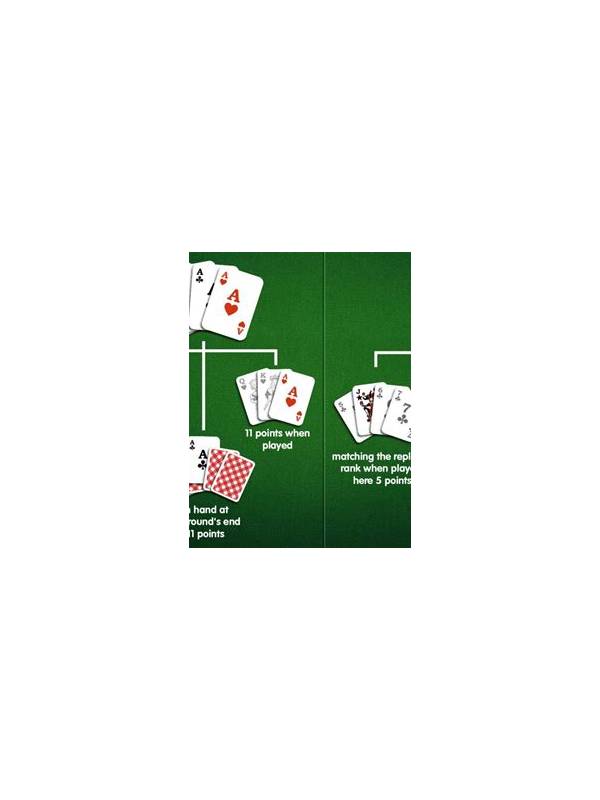
Rummy How-To: Build a Four-Box Hand Snapshot

Why use a snapshot?
When a rummy hand feels crowded, the problem is often not a lack of ideas. It is that every card appears to belong to several possible plans at once. A four-box snapshot reduces that noise for a moment. It does not predict the next draw or guarantee a declaration. It simply gives each card a temporary place so that your next decision has a clear starting point.
The four boxes are confirmed groups, promising links, loose cards, and evidence. Use them at the beginning of a hand and again after a meaningful draw.
Box one: confirmed groups
Place cards that already form a legal group, according to the rules of the format, in the first box. Keep a pure sequence separate from a set or from any group that uses a wild card. This distinction matters because a group that looks complete may not satisfy every declaration requirement.
Do not move a confirmed group merely because another arrangement looks attractive. A stable group is a reference point. Ask only whether keeping it unchanged helps you see the remaining cards more clearly.
Box two: promising links
This box contains cards that are connected but incomplete. A pair of adjacent cards in one suit may be a promising link. So may duplicate ranks that could become a set. Write down the missing connection in plain language: “needs one lower neighbor,” “needs one matching rank,” or “needs a second card from this suit.”
The wording prevents vague hope from becoming a plan. If you cannot name the required arrival, the cards probably belong in the loose-card box instead.
Box three: loose cards
Loose cards do not currently support a clear group. They are not automatically bad. A middle card may have several useful neighbors, while a high isolated card may carry more penalty if the hand ends soon. Label each loose card with one temporary question: “Can it join a group?” or “What is the safest release?”
Avoid keeping every loose card simply because it might become useful. Space has a cost: each extra possibility can make the hand harder to evaluate.
Box four: evidence
Record facts that may change your choices. These can include visible discards, cards you drew from the open pile, the current turn position, or a rule requirement you need to verify. Keep evidence separate from interpretation. “The seven of hearts was discarded” is evidence. “The next player does not need hearts” is an assumption.
After each draw, move cards between boxes rather than rebuilding the whole hand from memory. At the end of the snapshot, choose one priority: complete a promising link, reduce loose-card risk, or protect a confirmed requirement. A small, visible priority is easier to test than a hand full of competing stories.
The snapshot should take less time as you practice. Its purpose is not to slow the game; it is to make the next decision explainable.
Related Post

Rummy Comparison: Fixed Stop Time Versus Fixed Hand Count
Time limits and hand limits create different session habits, so choose the boundary that fits [...]
Rummy Draw Choices: When the Discard Pile Is Worth Considering
Rummy Draw Choices: When the Discard Pile Is Worth Considering offers practical guidance for clearer, [...]