Rummy How-To: Build a One-Minute Table Setup Check
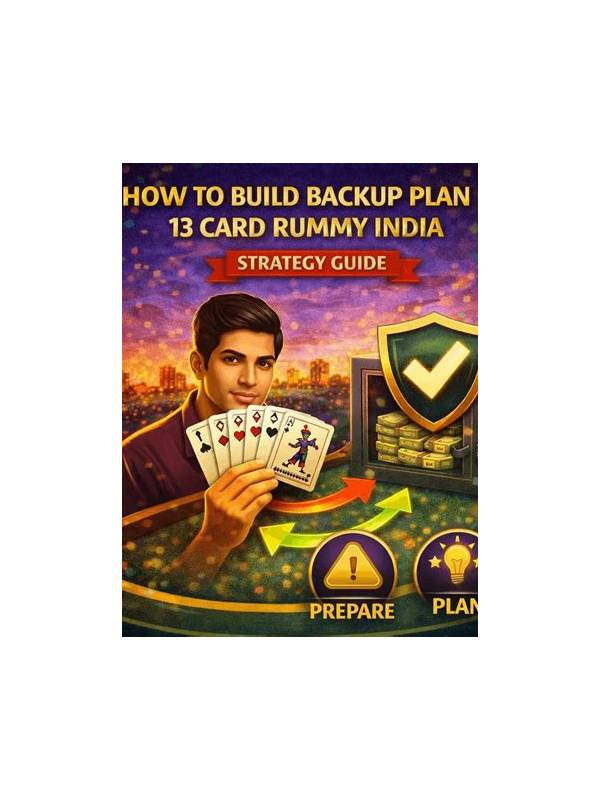
A short setup check can prevent avoidable errors before the first deal. Keep it to one minute so it remains practical. The check has four parts: rules, visibility, timing, and boundaries. It is useful for online tables, home games, and practice sessions because each part addresses a different source of confusion.
First confirm the rules. Identify the variant, hand size, legal group requirements, joker treatment, scoring method, and declaration procedure. Do not rely on a familiar name alone; similar formats can use different details. If a rule is unclear, locate the table’s official explanation before committing to play. A correct strategy under the wrong rules is still a bad decision.
Next check visibility. Make sure the cards, discard area, timer, and action controls are readable. Adjust brightness or text size before the hand begins. On a shared screen, confirm that private information is not visible to unintended viewers. If the connection indicator is unstable, choose practice or wait rather than treating a technical problem as part of the challenge.
Then check timing. Decide how long the session will last and whether the table has a turn timer that needs special attention. Set a reminder for your own stopping point. Finally confirm boundaries: the amount of money, if any, that is available for entertainment; the number of hands; and the conditions that will make you leave. These boundaries should be chosen while calm, not after a frustrating result.
At the end of the minute, summarize the plan in one sentence: “I know the rules, I can see the table, I have time for this session, and I know when I will stop.” If any part is untrue, fix it or postpone. The check is deliberately simple because reliable preparation is more valuable than a long checklist that players skip. For a physical home game, add one practical item: agree on how disputes will be handled before the deal. Decide who explains the rule, whether a turn can be replayed, and how the score will be recorded. For an online game, identify the official help or support path without relying on a message from another player. These details reduce pressure when something unusual happens. Preparation should make the table easier to understand, not encourage players to ignore a rule that protects everyone. Keep the check visible beside the device or table, but do not record sensitive login or payment information on it. A preparation note should improve safety without becoming a security risk.
Related Post
Rummy How-To: Review a Hand From the Opponent’s View
Considering what your visible actions communicate can improve discard choices without pretending to know an [...]
Rummy Tips: Use a Deadline for Every Narrow Draw
A draw deadline prevents one attractive but unlikely card from controlling the entire hand. [...]