Rummy How-To: Build a Stoplight System for Discards
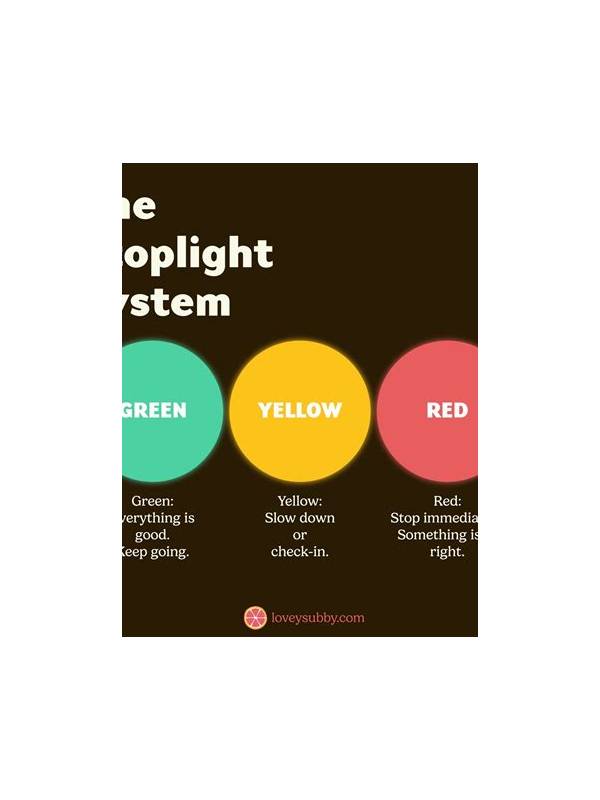
A stoplight system gives every possible discard a quick preliminary label. Green cards are easy releases, amber cards need a brief comparison, and red cards should be kept unless a clear reason changes the decision. It is a useful practice tool for players who make inconsistent choices under time pressure.
Begin with green cards. A card is green when it has no credible connection to a sequence, set, or backup route and carries no special defensive concern. High-value cards that are isolated may also be green in a scoring format, but do not use rank alone. A low card can be strategically important if it connects two routes.
Amber cards are uncertain. They may complete a useful group, have one natural neighbor, or share a role with another card. Compare each amber card with the card you would keep instead. Consider its number of jobs, the number of specific cards it needs, and whether keeping it blocks a stronger plan. Amber does not mean keep; it means spend one extra thought.
Red cards are structurally important. They may be part of a pure sequence, support a joker, or preserve two separate routes. They can still become discards, especially when their dependencies are too narrow, but releasing them should follow an explicit plan rather than impatience.
Apply the labels after sorting your hand and before looking for a dramatic move. This order matters. If you start with the most exciting possible meld, you may judge every other card in its favor. The stoplight first creates a neutral inventory. Then inspect amber and red cards against the table information you have seen.
Review your labels after a draw or completed group. A red card can become amber when its route is blocked. A green card can become red when a new neighbor arrives. Keep the system deliberately simple; it is a decision aid, not a mathematical model. With practice, you will recognize green releases quickly and reserve your attention for the few amber choices that actually shape the hand.
You can test the system with old practice hands. Label every card before making a pretend draw, then explain why each amber card was not green. If a label changes only because you want a particular card to fit, the system is being used emotionally. A good stoplight remains stable when the same structural facts are presented in a different order or after a disappointing result.
Related Post
Rummy FAQ: When Should You Recheck a Completed Group?
A completed group deserves a quick recheck when the rules, joker use, or remaining hand [...]
Rummy Safety: Confirm Withdrawal Conditions Before Depositing
Checking identity, minimums, processing times, and restrictions before depositing helps prevent unpleasant financial surprises. [...]