Rummy How-To: Build a Three-Column Hand Inventory

For review, compare the inventory before and after one key draw. The change may show that a card gained a job, lost a route, or remained neutral. This is more informative than remembering only the final layout.
The inventory can be physical piles or neutral digital labels. Avoid rearranging cards merely to make the layout attractive. A flexible card may stay flexible for several turns when its alternatives are real and its point exposure is manageable.
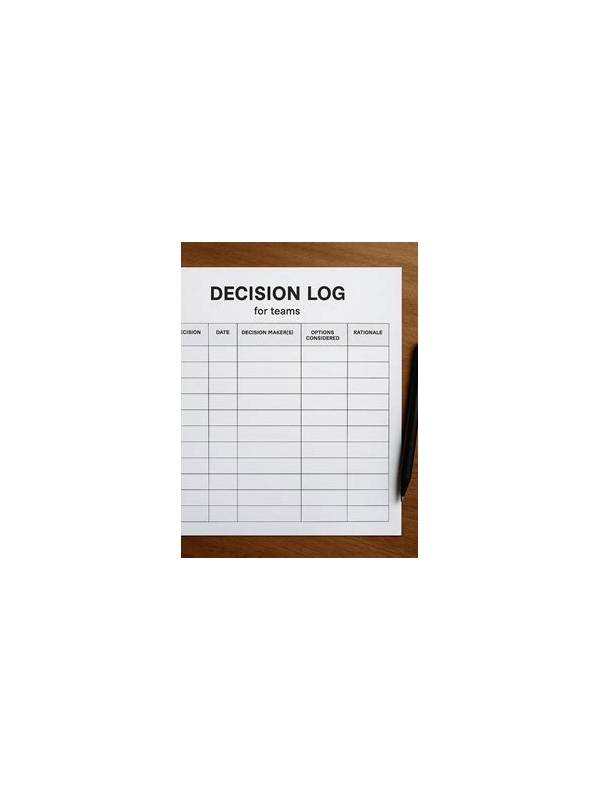
A hand inventory is a quick classification method for players who lose track of their options while rearranging cards. Divide a note or mental checklist into three columns: committed, flexible, and unassigned. The labels are temporary descriptions of function, not permanent judgments about card quality.
In the committed column, place cards that already belong to a strong legal group or a route you have deliberately chosen. Do not put a card here merely because it is next to another card. Commitment should mean that removing it would damage a clear plan. If a group is not yet legal, describe it as developing rather than complete.
The flexible column holds cards that can support more than one reasonable arrangement. A middle card may connect to neighbors in the same suit, assist a set, or preserve a backup route. Flexibility is useful, but avoid filling this column with every card that might someday help. A card belongs here only when at least two routes are visible and neither is purely imaginary.
The unassigned column contains isolated cards, duplicates without a role, and cards waiting for a decision. This is not a discard list. Some unassigned cards have high point values and should be released quickly; others are low-value connectors that deserve another look. Rank them by future use, replacement cost, and the risk of helping another player.
Repeat the inventory after each draw. Move a card only when its role changes. This makes the hand’s development visible: unassigned cards should gradually become useful or leave, while flexible cards may become committed or lose their support. If one column grows while another never improves, the hand may be stuck in a bottleneck.
At declaration time, replace the inventory with a rule check. Classification is useful for planning but cannot prove that every card belongs to a legal group. Confirm sequence direction, natural requirements, duplicate use, and any variant-specific conditions separately. The three-column method is a map for decisions; it is not the rules themselves.
Related Post
Rummy FAQ: How Do You Handle a Duplicate Useful Card?
Duplicate cards should be judged by their current structure, future alternatives, and the cost of [...]
Rummy How-To: Mark Flexible and Rigid Cards in Your Hand
Classifying cards by how many useful roles they have can simplify difficult draws and discards. [...]