Rummy How-To: Check a Hand After Moving Cards Between Groups
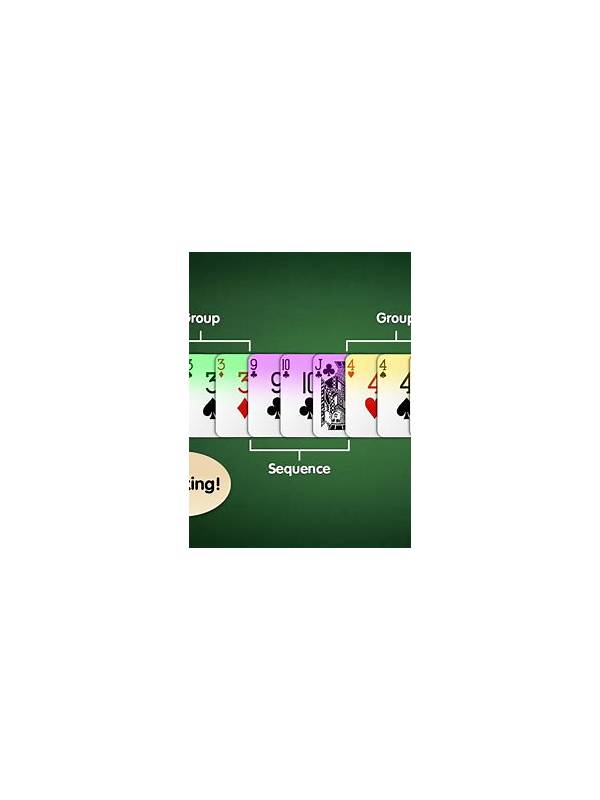
Rearranging cards can reveal a much better plan, but it can also create a hidden error. A card may appear in two groups, a joker may be counted twice, or a group may no longer satisfy the table’s rules. Use a fixed check after every major rearrangement, especially before a discard or declaration. The check takes seconds once it becomes familiar.
First, count each physical card exactly once. Point from left to right and assign every card to a group or to a loose area. If one card seems to belong in two places, move it to the loose area temporarily and compare the alternatives. This simple action exposes plans that rely on a card performing two jobs simultaneously.
Second, label each group. Call it a pure sequence, an impure sequence, a set, a candidate, or loose. Do not use “finished” as a label until you have checked the exact rules. For candidate groups, write the missing connection mentally or in a note. A group with an unfilled gap should not receive the same confidence as a valid group.
Third, inspect the joker assignment. Ask whether the joker is replacing a legal card and whether a natural alternative would be better used elsewhere. A joker can make a weak structure look complete, so evaluate the underlying group without letting the visual shortcut decide for you.
Finally, check the discard consequence. After the rearrangement, which loose card has the clearest reason to leave? Would discarding it reveal useful information or remove a needed fallback? If you intend to declare, perform the same check in reverse: verify every group, requirement, card count, and penalty condition. A deliberate rearrangement is valuable only when the final structure is both readable and legal.
Make the check visible during practice. Say the group labels quietly, or use a small separator between confirmed and tentative cards. Over time, the labels become a mental habit and reduce the chance of counting errors. If a platform provides an automatic declaration preview, treat it as an additional check rather than a substitute for understanding the rules. You remain responsible for knowing what each group represents. That responsibility is easiest to meet when the final layout is uncluttered. A final pause is worthwhile because a declaration cannot usually be repaired after submission, while an ordinary grouping can be corrected on the next turn. Accuracy matters most at that final moment. Pause before submitting.
Related Post
Rummy Practice: Rehearse the Draw-and-Discard Sequence
A short rehearsal drill improves rummy decision order without requiring a live table. [...]
Rummy Safety: Handle Disagreements With a Pause and Rule Check
A pause, a written rule check, and a neutral review can keep a rummy disagreement [...]