Rummy How-To: Check a Hand From Left to Right
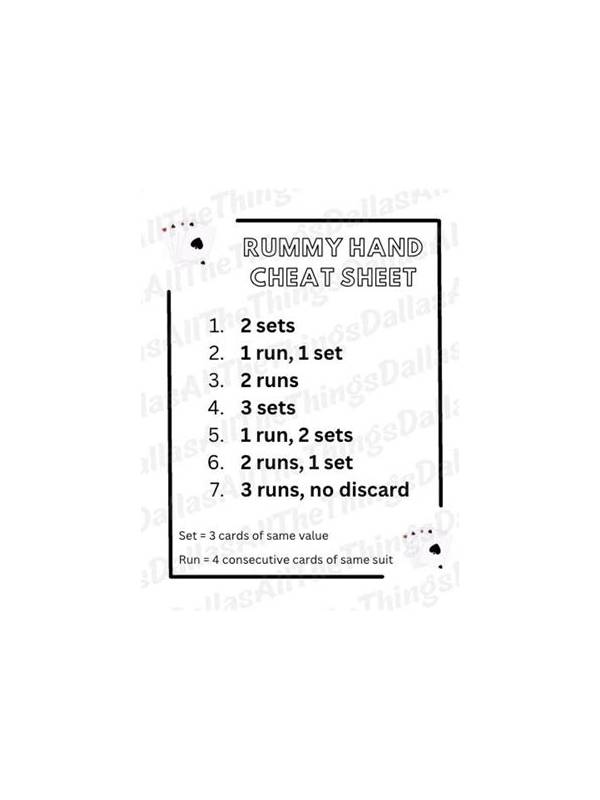
A final declaration check should be mechanical enough to work when you are excited or short on time. One simple method is to inspect the hand from left to right after arranging it into provisional groups. The direction itself is less important than using the same sequence every time.
Start by confirming the card count required by the variant. Then inspect the first group. Say its suit and ranks silently or aloud: for example, “hearts, five-six-seven.” Check that the ranks follow the variant’s direction and that any joker is being used in a permitted way. Mark the group complete only after this check.
Move to the next group and repeat. For a set, verify that ranks match and suits do not violate the rules. For an impure sequence, identify exactly which card the joker replaces. Avoid checking only the group that looks uncertain; familiar groups can contain a duplicated or misplaced card too.
After every group is checked, examine the boundaries between groups. A card may appear to belong to two groups, or a rearrangement may leave one card ungrouped. Count the cards again and make sure every card has one clear role. This boundary pass catches errors that a group-by-group review can miss.
Finish with the requirement that matters most in the chosen format, such as the presence of a pure sequence. Do not rely on a general memory of the rules if the app or table offers a variant-specific help page. Names can be similar while declaration conditions differ.
Practice the routine away from a live table with sample hands. Include easy hands, joker-heavy hands, and hands with one tempting but invalid group. Time yourself only after accuracy becomes consistent. Speed without a reliable order encourages skipped checks.
A left-to-right check is not a strategy for drawing better cards. It is a safety net for converting a good plan into a valid declaration. Keep it short, repeatable, and separate from last-second improvisation.
If the interface rearranges cards automatically, pause after the animation ends and rebuild your visual order before checking. Consistent placement reduces the chance that a hidden gap or duplicate will escape notice.
Use the same order every time.
A repeatable check makes omissions easier to notice.
Finish calmly before confirming the declaration.
Related Post

Rummy How-To: Use a One-Card Buffer Before Committing
A one-card buffer can preserve flexibility while a rummy hand is still developing. [...]
Rummy Guide: Read the Discard Pile Without Overreacting
A measured discard-pile review can improve your plan without turning one visible card into a [...]