Rummy How-To: Compare Hand Plans at Midpoint
The middle of a rummy hand is an ideal time to compare plans. Opening decisions are based on incomplete information, while endgame decisions are constrained by what remains. At midpoint, you have enough evidence to reassess but usually enough flexibility to change direction.
Begin by writing or stating your current plan in one sentence. It might be “complete the pure run and preserve the pair,” or “use the joker to finish the set while repairing the loose cards.” Avoid vague descriptions such as “improve the hand.” A plan must identify the groups you are trying to build and the cards that are allowed to leave.
Now create one alternative plan. Count how many cards are already useful under each route, how many practical draws could improve it, and which high-value cards remain exposed. You do not need exact probabilities. A comparison such as “two independent improvements versus one narrow hope” is enough for a live decision.
Check the cost of switching. Changing plans may require breaking a pair, giving up a visible signal, or retaining a card with a higher point value for another turn. Those costs should be named rather than hidden. A route that looks attractive only because its switching cost was ignored is not a genuine alternative.
Finally, choose a trigger for another review. The trigger could be one more miss, a relevant open-pile discard, a joker, or the completion of a required sequence. This prevents you from changing plans every turn while still protecting you from stubbornness.
The midpoint check is especially useful after an emotionally memorable turn. A lucky draw can make a weak plan feel certain, while a bad draw can make a sound plan feel doomed. Compare structure, flexibility, and risk instead of replaying the emotion of the previous card.
A short plan comparison should take less time than a long internal argument. State the current route, state one alternative, list the main cost of each, and select a review trigger. The result is a hand that is guided by updated evidence rather than by the first idea you had.
For a practice drill, compare plans at the same number of cards or turns in several hands. Score the comparison by clarity: could you name the required group, the best improvement, and the cost of waiting? This builds a repeatable midpoint habit and makes improvement visible even when the final result is determined by random draws.
Related Post
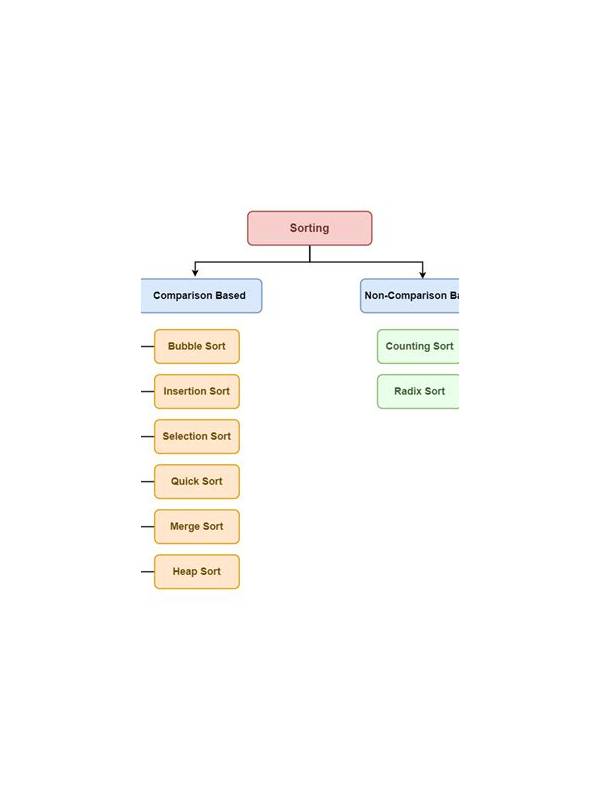
Rummy Comparison: Rank-Based and Suit-Based Sorting
Rank-based and suit-based sorting reveal different rummy patterns, so the best view depends on the [...]
How to Choose a Comfortable Rummy Table Entry Level
Matching a table entry level to your budget and experience keeps rummy sessions measured and [...]