Rummy How-To: Conduct a Fair Post-Session Review
A post-session review should improve your next decision, not punish you for the last result. Give yourself a short cooling-off period, then examine the hand with the information that was actually available at each turn. Avoid using cards revealed later as if you had known them earlier.
Choose two or three turning points. For each one, record the hand structure, public information, available alternatives, and the reason for your choice. If you cannot remember the details, mark the memory as uncertain rather than filling in a convenient story. A small, honest record is more valuable than a detailed invention.
Separate rule errors from strategic disagreements. A missed declaration requirement or incorrect score is a concrete issue to correct. Choosing between two legal plans may be a judgment call. Test that judgment across several similar hands before declaring one option universally right. This distinction keeps learning focused and prevents unnecessary anxiety.
Review emotional signals as well. Note whether you rushed after a loss, held a card because of attachment, or continued after your planned stopping time. These behaviors can matter as much as card technique. Choose one process adjustment, such as taking a ten-second review before each discard or using a written stop time.
End with a neutral summary: what worked, what needs testing, and what remains unknown. Do not replay the hand until every alternative seems obvious. Rummy includes chance and hidden information, so a fair review accepts uncertainty. Save the note securely, revisit it after several sessions, and look for repeated evidence before changing your entire approach.
Related Post
Rummy How-To: Keep a Simple Hand-Review Notebook
A small, neutral notebook can reveal repeated decision patterns without recording sensitive account information. [...]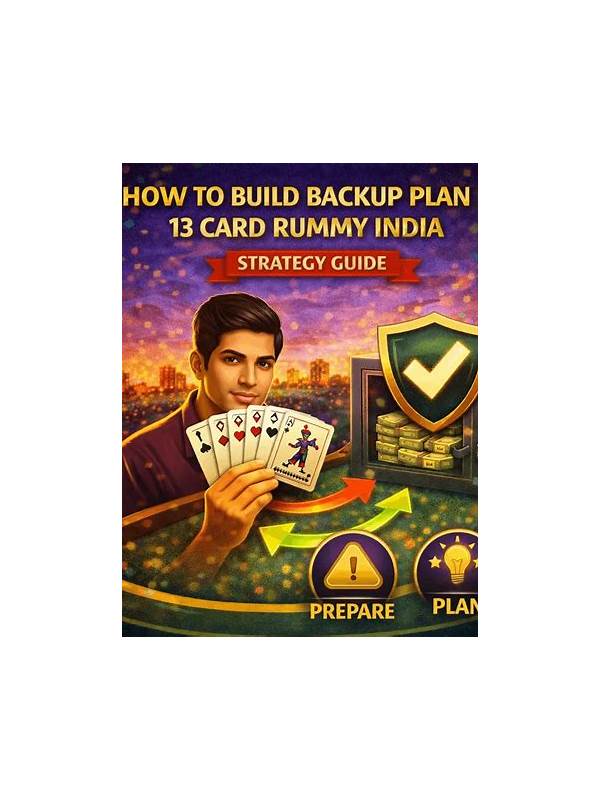
Rummy FAQ: What Is a Useful Backup Plan?
A backup plan gives a rummy hand another route forward without keeping every possible combination. [...]