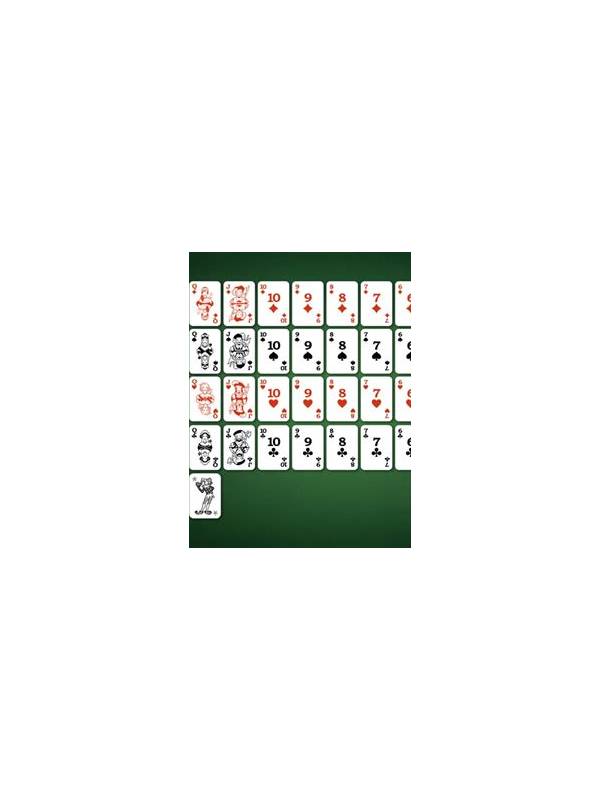
Rummy How-To: Create a Beginner-Friendly Explanation of a Hand

A good explanation can help a new rummy player understand a decision without making the game feel mysterious. The goal is not to show every possible move. It is to connect the rule, the visible hand structure, and the reason for one choice in a calm order.
Start with the format and objective. State the declaration requirement or scoring condition in plain language, and mention any rule that directly affects the example. Avoid introducing platform-specific details unless they are confirmed. A beginner needs to know what a valid result looks like before hearing why one card is preferred.
Describe the hand in groups. Identify confirmed sequences or sets, potential groups, and loose cards. Say when a card is only a possibility. For example, “these two cards could become a set if another matching rank appears” is clearer than calling them a set already. This distinction teaches the learner to respect both structure and uncertainty.
Explain the decision using one main reason. It might be that a card carries high points, has no nearby support, or blocks a required route. Then mention one trade-off: keeping it could preserve a second possibility, while discarding it reduces a current risk. A balanced explanation shows that the move is a comparison, not a magical answer.
Use a small counterfactual. Ask what would change if the next draw were a connector, a duplicate rank, or an unrelated card. Keep the example limited to one or two outcomes. Counterfactuals teach the beginner how to update a plan without implying that the future is known.
Finish with a reusable question set: What groups are confirmed? Which cards have support? What requirement remains? Which discard preserves the clearest backup? Invite the learner to answer before revealing your view. Correct factual errors gently, and distinguish a house rule from a general rummy principle.
The best explanation leaves the listener able to inspect a new hand independently. It should be short enough to remember, specific enough to verify, and honest about uncertainty. Teaching the method is more durable than teaching one isolated discard.
Avoid presenting the explanation as a guaranteed winning line. Rummy includes incomplete information, changing draws, and format-specific rules. A beginner gains confidence when the lesson shows how to reason and how to revise, not when it promises that one attractive move will always succeed.
Related Post
Rummy Tips: Separate Table Speed From Decision Quality
Players can adapt to a fast table while still protecting the quality of important rummy [...]
Rummy Account Recovery: Prepare Before You Lose Device Access
Rummy Account Recovery: Prepare Before You Lose Device Access offers practical guidance for clearer, safer, [...]