Rummy How-To: Create a Final Declaration Checklist
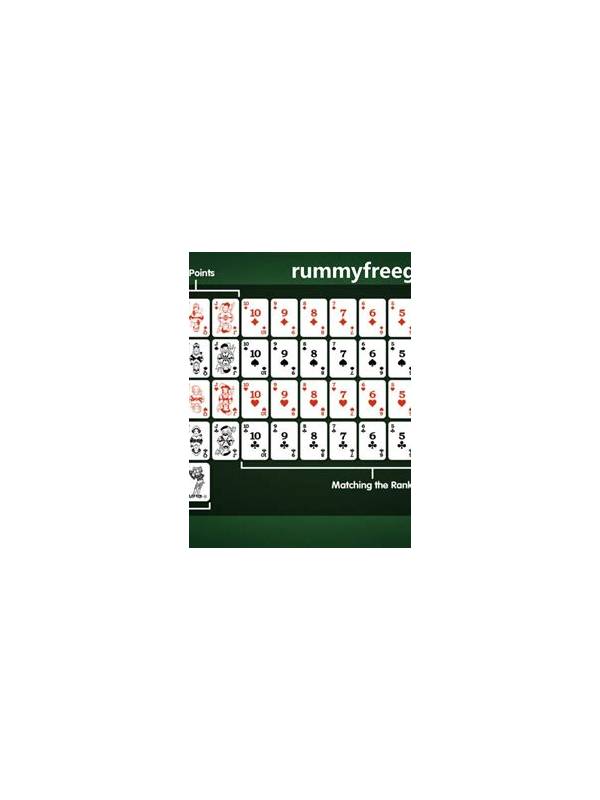
The moment a hand looks complete is exactly when a checklist is useful. Excitement and time pressure can make an obvious gap easy to miss. A final declaration checklist should be short, consistent, and tied to the rules of the format you are playing.
First, count the cards and confirm that every card belongs to a proposed group. Look for one-card leftovers hidden beside a sequence. Then identify the required number of sequences and sets. Many rummy formats require at least one pure sequence, but exact requirements vary, so learn the table rules before relying on a generic checklist.
Second, inspect each sequence by suit and rank. Confirm that the ranks are consecutive and that no wild card has been used where a pure group is required. A group that appears connected in a sorted display may contain a gap. Say the ranks quietly or trace them visually from one end to the other.
Third, inspect sets for duplicate rank and distinct-suit requirements. Check that a card has not been counted in both a set and a sequence. Shared-card thinking is useful while planning, but a final declaration needs actual, non-overlapping groups.
Fourth, review wild cards and jokers according to the specific rules. A joker can reduce points or complete an impure group, but it does not automatically make every arrangement valid. If the rules are unclear, do not assume the most generous interpretation.
Finally, verify the action itself. Is the declaration button or command being used at the right time? Does the platform require a discard first? Are you on the intended table? A correct hand can still be submitted incorrectly if the interface is unfamiliar.
Practice the checklist away from pressure. Give yourself a few seconds, then gradually shorten the review only after accuracy remains stable. If you discover an error, add a precise item rather than making the whole checklist longer. For example, “check the pure sequence” is better than “look carefully at everything.”
The checklist does not guarantee a win, and it cannot replace the published rules. Begin before the final seconds, and write down any house-rule differences so memory does not fill the gap. In practice, identify the slowest checklist item and drill it separately. Its purpose is narrower: to prevent a valid-looking hand from failing because of a mechanical or structural oversight. Consistency at the final moment protects the work you did throughout the hand.
Related Post
Rummy FAQ: Can a Joker Hide a Weak Structure?
A joker can complete a group, but it cannot by itself make an unclear hand [...]
How to Choose a Rummy Practice Hand Theme
Use a single training theme to make practice sessions focused, repeatable, and easier to review. [...]