Rummy How-To: Create a Quick End-of-Hand Review

An end-of-hand review does not need to be a detailed replay. Five minutes and a few focused questions can reveal more than a long argument about luck. The main purpose is to separate the quality of your decisions from the outcome. A win may contain avoidable risks, and a loss may follow a sensible plan.
Begin by recording the hand’s main plan in one sentence. If you cannot remember it, write down the first clear objective you had. Then identify the first moment the plan changed. Did a new card improve a route, did a public discard change your information, or did emotion make you abandon the plan? This timeline shows whether the change came from evidence or reaction.
Choose three decisions to inspect: the most uncertain discard, the most important draw, and the moment you committed to a group. For each decision, list the options you noticed and the reason you chose one. Do not use the eventual draw as the reason. Ask what information was available before the next card appeared.
Next, classify each decision as clear, reasonable, or worth testing. Clear means the alternatives were substantially weaker. Reasonable means several choices had similar value. Worth testing means the decision relied on a narrow assumption or repeated a known habit. This classification is more useful than labeling every mistake as bad play.
End with one adjustment for the next session. Make it small and observable, such as “compare two discard candidates before releasing,” “set a deadline for speculative pairs,” or “pause when I start checking the balance.” Avoid a large list of corrections. One change gives you a fair chance to see whether the adjustment helps.
Keep reviews private and neutral. Their value comes from honest observation, not from punishment. If a review repeatedly shows stress, chasing, or difficulty stopping, treat that as a safety signal and consider taking a break from money play. A short review turns each hand into information about your process. Over time, the pattern of decisions becomes clearer, and improvement becomes less dependent on whether the last result happened to be favorable.
You can keep the review in a small notebook or private digital note. Do not record sensitive account information. A few neutral observations are enough to identify repeated habits without turning the activity into another source of pressure.
The review is most valuable when completed while the details are fresh, but wait until strong emotions have settled. Accuracy matters more than speed, and the purpose is to improve the next process rather than relive the last result.
Related Post
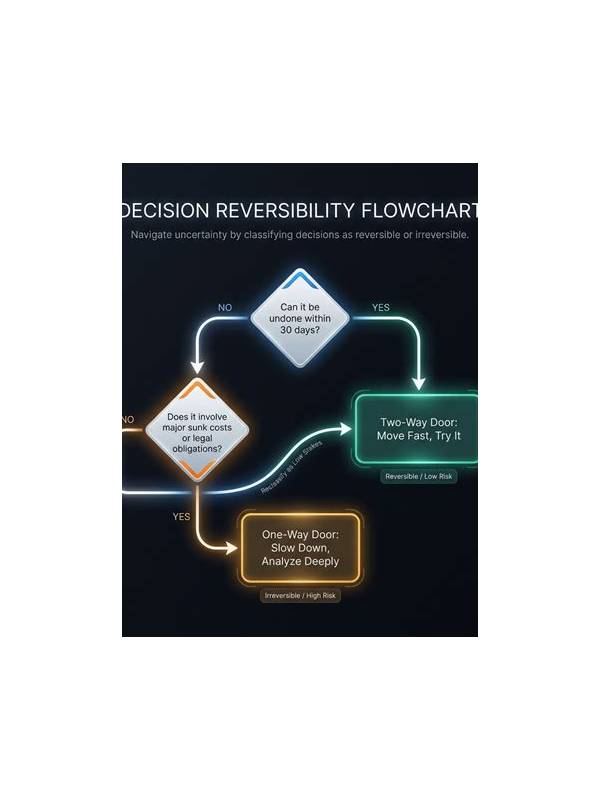
Rummy FAQ: What Is a Reversible Decision?
Understand why keeping a workable fallback can matter more than making the flashiest move. [...]
Rummy Table Selection: Questions to Ask Before Joining
Rummy Table Selection: Questions to Ask Before Joining offers practical guidance for clearer, safer, and [...]