Rummy How-To: Create a Simple Decision Ladder
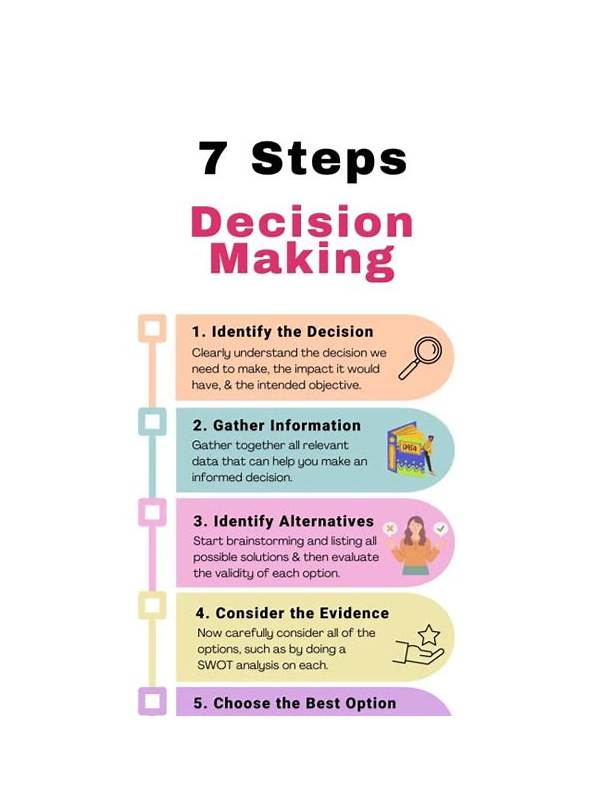
A decision ladder prevents every rummy choice from becoming a debate about the most exciting improvement. It ranks priorities so you know what to protect first and what to consider only after the basics are secure. The ladder can be short enough to use during a timed turn.
Put validity at the top. Confirm the rules and protect any required complete structure unless a credible replacement exists. A hand that looks promising but cannot be declared is not a strong foundation. This first step also catches accidental double-counting and unsupported arrangements.
Put exposure next. Identify high-point cards, isolated cards, and choices that leave you vulnerable if the hand ends soon. Reducing exposure may be more valuable than adding a speculative connection. This does not mean always discarding the highest card; it means considering the cost of holding it alongside the available alternatives.
Put structure third. Compare cards by their repair cost, flexibility, and contribution to a primary or contingency route. Choose the move that improves the hand’s shape while keeping enough options for the next turn. Structure is where most strategy lives, but it should operate within validity and safety limits.
Put information and fine improvement last. Public discards, table rhythm, and a small positional edge can influence a close call. They should not override a clear validity problem or a severe exposure risk. If two choices are otherwise similar, use these details as tie-breakers.
Practice the ladder away from the table. Take a sample hand and name the highest-priority issue before proposing a draw or discard. During live play, reduce it to four prompts: valid, exposed, structured, informed. This sequence makes decisions calmer because it tells you what not to solve yet.
The ladder is a guide, not a rigid rule. A table format or confirmed rule may change the order. Its purpose is to make priorities visible, so a difficult hand produces one defensible next step instead of a collection of competing hopes. Write the ladder in your own language if that makes it easier to remember. Some players use “legal, safe, useful, informed”; others use “protect, reduce, build, compare.” The wording is less important than the order and the ability to explain why a move fits the highest unresolved priority. A clear ladder supports calm decisions without pretending every hand has one obvious answer.
Related Post
Rummy Comparison: Fixed Targets Versus Flexible Targets
Compare fixed and flexible hand targets to choose a plan that matches the information available. [...]
Rummy Tips: Use a Recovery Rule After a Misread
A recovery rule turns a mistaken rummy assumption into a controlled adjustment instead of a [...]