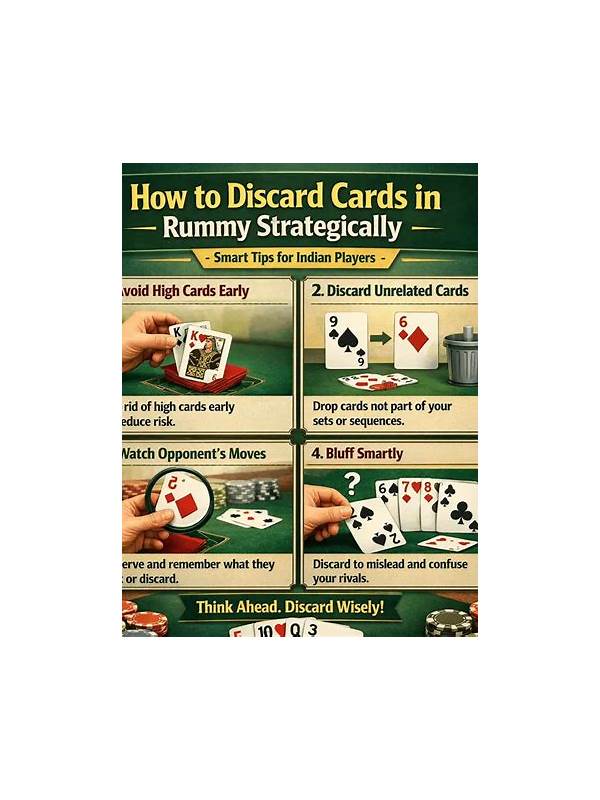
Rummy How-To: End a Session With a Learning Note
Write before the result fades
When a rummy session ends, memory quickly keeps the most emotional moment and loses the small decisions around it. A learning note takes two or three minutes to preserve the useful details. It is not a diary of every hand and it is not a justification of the final score. Its purpose is to identify one repeatable observation.
Begin with the session boundary: how many hands or how much time you played. Then write the goal you had before starting. Examples include checking discard discipline, practising a two-lane plan, or staying within a planned limit. If you had no goal, write that plainly; the next session can begin with one.
Record three facts
First, note one decision that was clear. Explain what evidence supported it and what action followed. Second, note one decision that felt uncertain. Avoid labelling it simply as good or bad; describe the competing options. Third, note your attention level near the end. Fatigue, distraction, or excitement can affect decisions even when the cards are unchanged.
Keep results in their proper place. A win does not prove every decision was strong, and a loss does not prove every decision was poor. If the result matters for your chosen format, record it separately from the process observations. This separation makes the note more useful over multiple sessions.
Choose one next experiment
Finish with a small experiment for next time. It might be “review the previous turn before discarding” or “label promising routes instead of calling them safe.” Choose only one. Too many goals make it difficult to tell what changed. At the next session, read the old note once, then play without constantly checking it.
Store notes in a private, simple place and avoid including sensitive account details. The best note is specific enough to guide practice but short enough to complete consistently. Over time, these notes reveal patterns in attention and decision-making that a score alone cannot show. Ending deliberately gives the next session a calmer, more useful beginning.
Related Post
Rummy FAQ: How Does a Card Become a Commitment?
A card becomes a real commitment when keeping it repeatedly shapes your other choices and [...]
Rummy FAQ: Can a Joker Replace Any Card?
A clear joker checklist explains when a wild card helps a rummy group and when [...]