Rummy How-To: Explain a Discard in One Clear Sentence
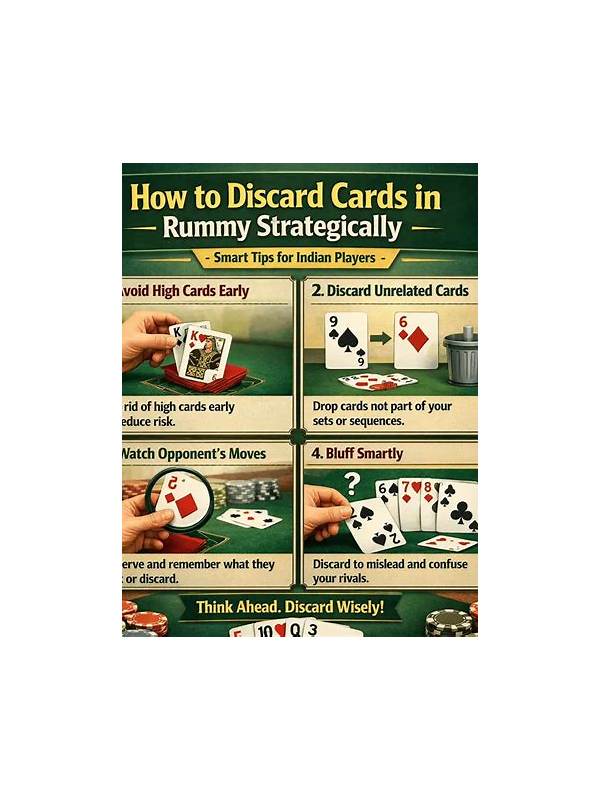
There is no need to announce the sentence at a competitive table. Keep it as a silent prompt if speaking would distract others or violate table etiquette. In online play, do not type private strategic reasoning into a public chat. The value comes from making the choice specific, not from sharing information with opponents. A private note after the hand is enough for longer analysis.
A one-sentence discard explanation is a practical self-check. If you can describe the move clearly, you probably understand its purpose. If the explanation becomes a list of unrelated hopes, pause and compare the candidates again. The sentence is not for persuading opponents; it is for improving your own decision quality.
Use this format: “I am releasing X because Y, while keeping Z for W.” X is the card being discarded. Y is its current weakness, such as no active family or high penalty. Z is the card you are protecting, and W is its most credible next job. The format forces both a reason and an opportunity cost.
For example: “I am releasing the king of clubs because it is isolated and expensive, while keeping the seven of hearts to preserve two sequence extensions.” This is clearer than “the king feels bad.” Another example might be: “I am breaking this pair because the remaining cards create a pure sequence and the set has no visible completion route.” The explanation can justify a difficult move without claiming certainty.
Keep the reason tied to the current hand. Do not use generic rules such as “always discard high cards” if a high card is part of a strong sequence. Likewise, “never break pairs” ignores timing and legality. A sentence should refer to evidence, risk, and the next useful job.
If you cannot complete the sentence, identify what is missing. Perhaps you have not counted the cards, forgotten a declaration requirement, or are reacting to the last loss. Take a brief pause and use the table rules or practice mode to clarify the issue. Do not send money or make a rushed paid move while uncertain.
After a hand, compare the sentence with the outcome. A correct explanation can lead to an unlucky result; do not rewrite the reasoning only because the draw missed. Instead ask whether the evidence was adequate and whether the release condition was respected.
This small routine supports calm, reviewable play. It also makes coaching easier because a partner can discuss the reasoning rather than guess what the discard meant.
Related Post
Rummy Discard Review: Use a Counterfactual Question
A single counterfactual question can turn an uncertain discard into a useful learning review. [...]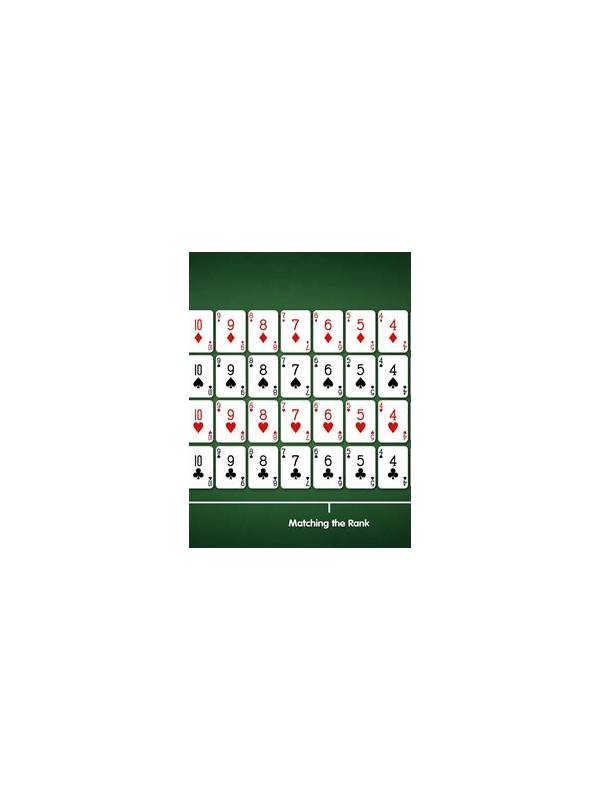
Rummy Card Inventory: Track What Your Hand Still Needs
An inventory of missing ranks and suits can make a changing rummy hand easier to [...]