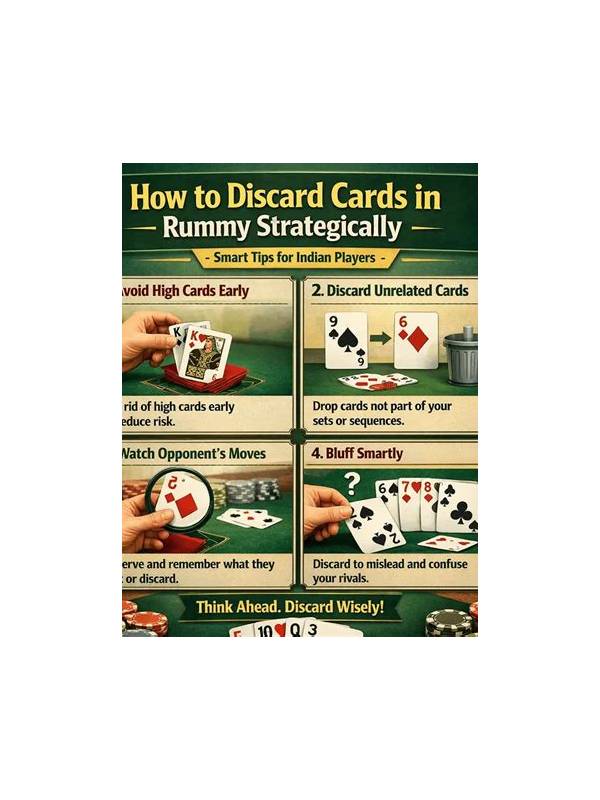
Rummy How-To: Make a Decision Log That Takes One Minute
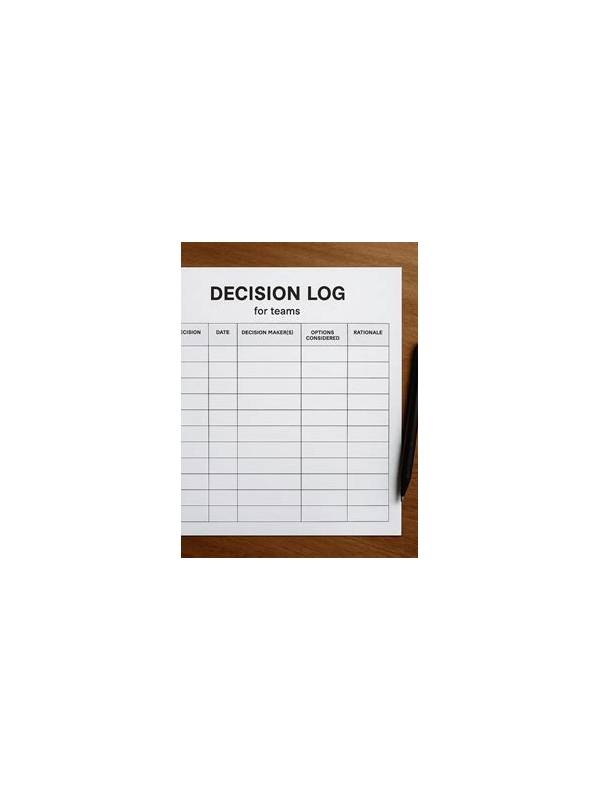
A decision log is useful when you want to improve your rummy choices, but a long diary can become another distraction. A one-minute format keeps the exercise practical. Record only the situation, the choice, and the reason you believed it was reasonable at the time.
Immediately after a hand, write the turn or moment you want to remember. Describe the hand neutrally: “Two suited neighbors, one rank pair, and three isolated cards.” Avoid writing that the hand was lucky or terrible. Then record the choice: “Discarded the high isolated card and kept both developing groups.” Finally add one reason, such as “The discard reduced points while preserving two routes.”
If the decision involved an opponent, record only observable evidence. “Opponent picked a nine from the open pile” is useful. “Opponent definitely needed a sequence” is a conclusion and should be marked as an inference. This distinction makes later review more accurate and reduces the temptation to rewrite your thinking based on the result.
Add a short outcome note, but place it after the original reason. You might write “Hand completed through the pair” or “Neither route improved.” The outcome is data, not a verdict. A sensible decision can fail, and a weak decision can succeed because the next card happened to help.
Once a week, read five entries and sort them into themes. Look for repeated habits: holding high cards too long, abandoning a route too quickly, ignoring a mandatory sequence, or treating a single opponent action as proof. Choose one theme for the next practice session. Do not try to correct everything at once.
Keep the log private and free of unnecessary personal information. If you play on a shared device, use a neutral document and avoid recording account numbers, payment details, or screenshots containing sensitive data. The purpose is learning, not creating a new security risk.
The best decision log is short enough to maintain. A few honest lines after each meaningful hand will teach you more than a detailed record written only once. Over time, the log shows how your reasoning changes, which is often more valuable than simply counting wins.
If you miss the immediate review, do not reconstruct every detail later. Write what you still know and label uncertain memories as uncertain. Consistency matters more than completeness. You can also review one decision at a time during a scheduled practice block, keeping the log separate from live play so that recording does not affect your attention or timing.
Related Post

How to Notice Tilt During a Rummy Session
Recognizing emotional tilt early gives rummy players a practical chance to pause before decisions become [...]
Rummy Guide: Recover After an Invalid Declaration
An invalid declaration is a review opportunity when you separate the rule error from the [...]