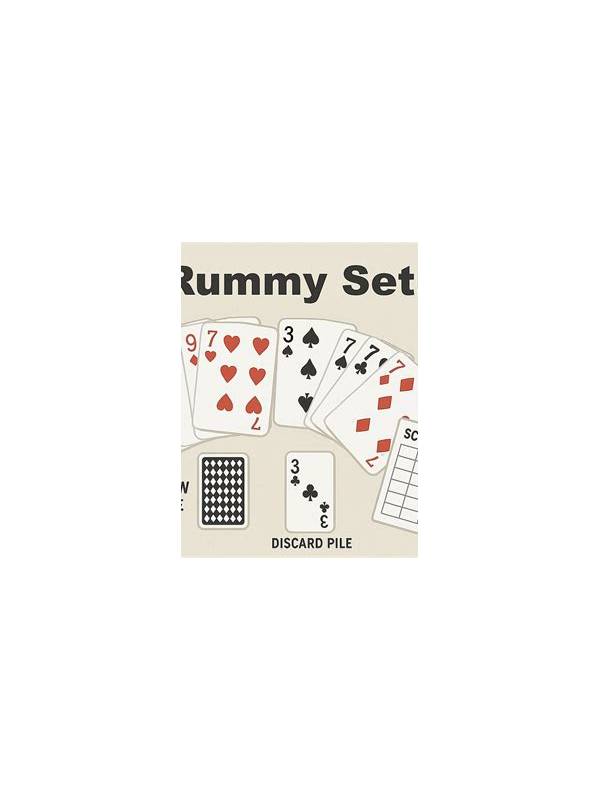
Rummy How-To: Make a Two-Column Turn Note
A turn note is a compact way to study rummy without writing a full transcript. Divide a page into two columns. Label the first “plan” and the second “evidence.” In the plan column, record what you intended to protect or release. In the evidence column, record only what appeared or changed during the turn.
Before drawing, write one sentence in the plan column. It might say, “Protect the connected suit pair and look for a clean release from the high cards.” Keep it brief. If you need several sentences to describe the plan, the hand may have too many competing routes. A short statement gives you something concrete to test.
After the draw, place the relevant fact in the evidence column. A new card may complete a route, add a second possibility, or fail to help. A public discard may remove a needed companion. A change in turn order may make waiting less attractive. Avoid recording emotional reactions such as “unlucky” or “obvious.” Those can be discussed later, but they are not evidence.
Then write the decision you made and add a one-line reason under the plan. If you followed the plan, say why it still fit. If you changed direction, identify the evidence that caused the change. This distinction is valuable: changing plans is often good when the evidence changes, while changing plans because of discomfort may be a habit to examine.
At the end of a session, scan the two columns. Look for mismatches. Did your plan mention replacement counts but your evidence notes ignore them? Did you repeatedly record a route as strong even after several misses? Did your decisions improve when your plan had a clear release candidate? These questions turn scattered turns into patterns.
Keep the note small enough to use during practice. One or two lines per turn are sufficient. The goal is not perfect documentation; it is to make the connection between intention, evidence, and action visible. Over time, the two-column format helps you build rules that respond to information instead of to the mood of a single hand. Use neutral language in both columns. “New suited neighbor appeared” is more useful than “great draw,” because it records the fact without pre-scoring the decision. The note can be written on paper, in a simple local document, or after a practice hand from memory. If writing during play distracts you, record only a symbol and expand it immediately afterward. The value comes from connecting the plan to the evidence while the sequence is still fresh.
Related Post
Rummy FAQ: How Does a Useful Card Become a Liability?
A card that once improved several combinations can become dangerous when the hand changes, and [...]
How to Spot a Misread Rummy Group Before Declaring
A deliberate final scan catches suit, rank, and joker mistakes that can invalidate an otherwise [...]