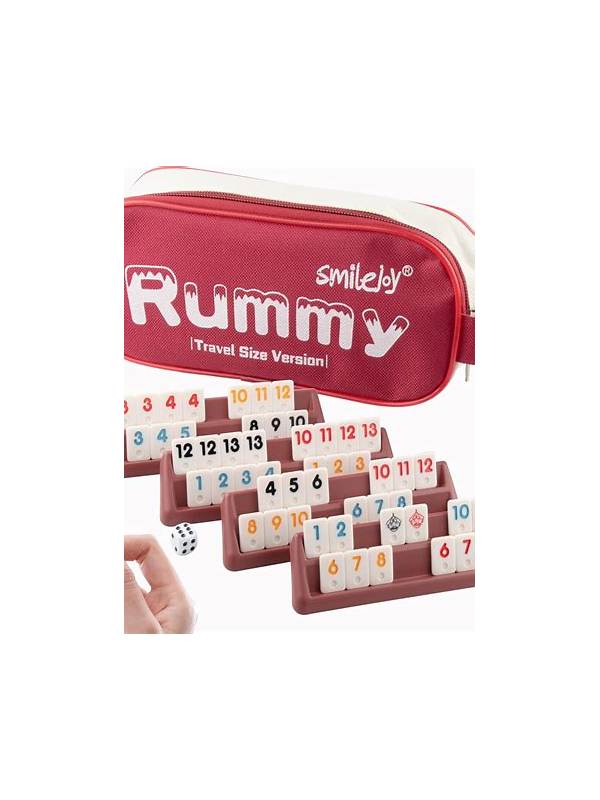
Rummy How-To: Practice Opponent Turn Timing
Turn timing is easy to overlook when attention stays fixed on your own cards. A simple practice drill can teach you to notice whose turn it is, when information becomes available, and when a pause is better than an automatic action. The drill works with a paper deck, a replay, or a rule-compliant practice mode.
Begin by creating a small mock table with two or three imagined opponents. Deal yourself a hand and place a few visible discards or melds in front of the other positions. Do not try to invent a complete hidden hand for anyone. Your goal is to follow public events. Move a marker around the table to show the active seat and say the next legal action aloud: draw, evaluate, discard, or wait for confirmation.
On each opponent turn, write one observation before your own turn arrives. Examples include “a high card entered the pile,” “a visible group gained a middle rank,” or “no new information appeared.” Keep the note factual. Avoid claiming that an opponent definitely needs a card based on one action. This separates timing awareness from speculation.
Add a delay drill. After an opponent action, wait two calm breaths before arranging your hand. During the pause, identify the new information and the part of your plan it could affect. Then perform a normal two-pass sort: confirm existing groups, followed by candidate changes. The delay is not meant to make play slow forever. It teaches you to use the start of your turn for orientation rather than panic.
Test the drill with interruptions. Change the active seat, remove one visible discard, or announce a reconnect and ask yourself what must be verified before continuing. In an actual app, check the turn indicator, last-action message, and hand state after a connection problem. Never rely on memory if the interface can confirm the state.
Review the exercise with three questions. Did you notice every public action? Did you distinguish observation from inference? Did you know when your own action became available? If one answer is weak, repeat a shorter drill focused on that skill. Timing practice should stay separate from paid play and should end at a preset stopping point. The aim is clearer attention, not more table time.
Related Post
Rummy Safety: Set an App Session Timeout Routine
A simple timeout routine reduces accidental exposure when a rummy app is left open on [...]
Rummy Comparison: Local Improvements Versus Whole-Hand Improvements
A card can improve one group while making the overall hand less flexible, so compare [...]