Rummy How-To: Rebuild a Hand After a Forced Discard
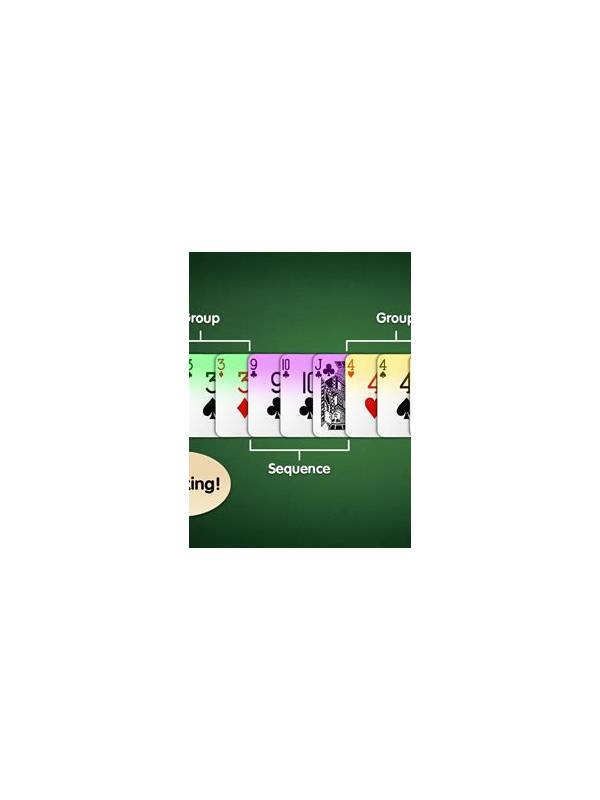
A forced discard can happen when an opponent takes a useful card, a draw creates an awkward surplus, or a planned combination becomes too narrow. The mistake is to treat the lost card as the center of the next several turns. A rebuild routine shifts attention from what disappeared to what the current hand can still support.
First, freeze the story of the previous plan. Do not spend time proving that the original route was good. Look at the cards that remain and sort them into active groups, possible groups, and loose cards. A card belongs in an active group only when it has a realistic completion path. This classification prevents wishful combinations from receiving equal weight.
Second, protect one stable structure. It might be a pure sequence, a pair with multiple set possibilities, or a low-penalty group that is nearly complete. The stable structure gives the rebuild a base. Do not break it merely to recreate the exact route you lost unless the replacement clearly improves the full hand.
Third, choose one exploratory area. Keep the smallest number of cards needed to investigate a new route, and set a deadline for that investigation. If the needed draw does not arrive, convert the cards into a safer structure. The deadline matters because a forced discard can create an emotional urge to recover quickly.
Fourth, reduce the cost of waiting. Remove an isolated high card or a card that has no connection to either route. A lower penalty gives you more room to make a thoughtful next decision. You are not conceding by lowering risk; you are buying time for information.
Finally, reassess after the next draw. The rebuild is a process, not a single replacement. Ask whether the stable structure is still stable, whether the exploratory route gained evidence, and which loose card now has the least future value. This approach makes disruption manageable and keeps one unlucky event from controlling the rest of the hand.
If the forced discard came from a rules or timing issue, include that lesson separately from the card analysis. Confirm when a discard becomes final and what information remains visible under the game format. Clear rules reduce avoidable emergencies. When the disruption is simply part of play, accept that the hand has changed and measure the rebuild by the new position, not by how closely it recreates the old one.
The reset is complete when you can state the next route without referring to the lost card.
Related Post

Rummy Home Game Hosting: A Fair Start for Every Player
Use this hosting checklist to make a casual rummy game clear, comfortable, and fair before [...]
Rummy FAQ: Does an Open Discard Always Have More Value?
An open discard can be informative and convenient, but it is not automatically better than [...]