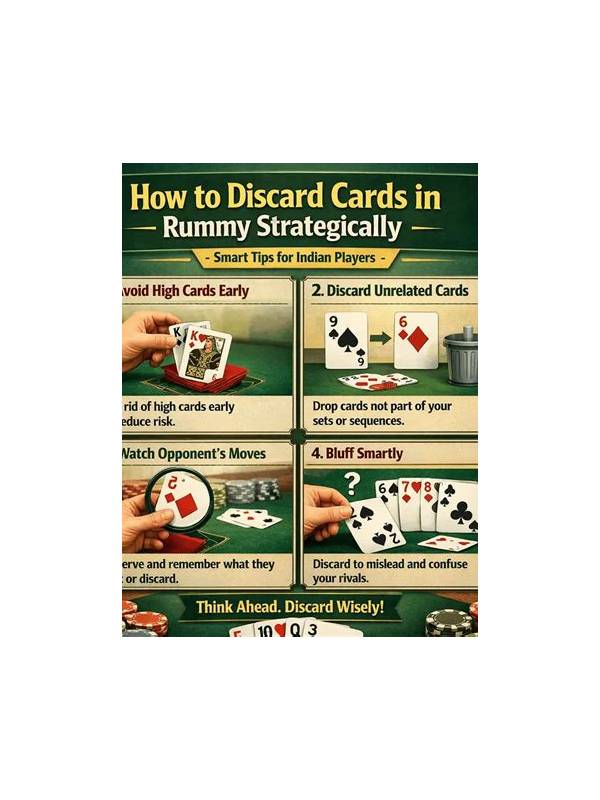
Rummy How-To: Rebuild a Hand After Losing a Key Connector
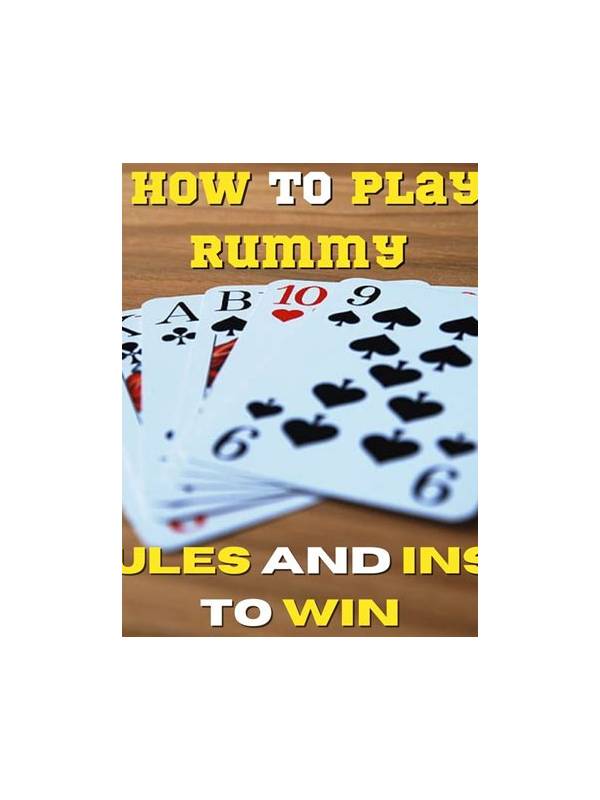
A forced discard can make a hand feel ruined, especially when the released card was supporting a route you had been building. Continuing to play as if the old plan still exists usually makes the problem worse. Rebuilding begins with accepting the changed position and taking a fresh inventory.
First, freeze the old story. Do not spend the next turn trying to recreate the exact arrangement you lost unless the new cards clearly support it. The value of a route changed when the card left your hand or became unsafe to keep. Treat that change as information rather than as a personal mistake.
Second, mark the groups that survived. Identify completed pure sequences, other completed groups, and pairs or connectors that still have practical routes. Put every remaining card into one of three categories: protected structure, credible development, or unresolved material. This physical or mental separation prevents the broken plan from hiding useful new evidence.
Third, select one anchor. The anchor is the strongest surviving group or the most flexible card that can connect to a realistic route. Build the next two decisions around it. Do not choose an anchor merely because it was central to the previous plan. Choose it because it has current support, low exposure, or an efficient path to completion.
Fourth, create a replacement discard order. The card that feels most painful to lose may no longer be the best keeper. Rank unresolved cards by their point cost, completion width, and effect on the anchor. Release the candidate that contributes least to the rebuilt structure. If two choices are close, favor the one that exposes less information and preserves a practical backup.
Allow one informative turn before making a large reorganization. A new draw may create a better route, but it may also confirm that the hand needs a defensive approach. Keep the reset flexible. If the anchor gains support, continue. If it becomes blocked, replace it rather than repeating the original attachment.
After the hand, review the reset without blaming the forced discard. Ask whether you identified surviving structure quickly, whether your anchor had evidence, and whether the new discard order was clear. This turns an uncomfortable moment into a repeatable skill.
Rebuilding a hand is not about recovering the exact cards you wanted. It is about recovering decision quality. A calm inventory, a current anchor, and a fresh release order can turn a disrupted hand into a manageable one.
The reset is strongest when it happens immediately after the disruption. Waiting several turns can allow an outdated arrangement to collect new emotional importance, even though the original evidence has already disappeared.
Related Post

Rummy Safety: Keep a Clear Boundary Between Advice and Guarantees
Learning to distinguish useful rummy advice from promises of guaranteed results protects both judgment and [...]
Rummy Turn Budget: A Simple Way to Pace Your Decisions
Learn how a small turn budget can keep a rummy hand organized when several draws [...]