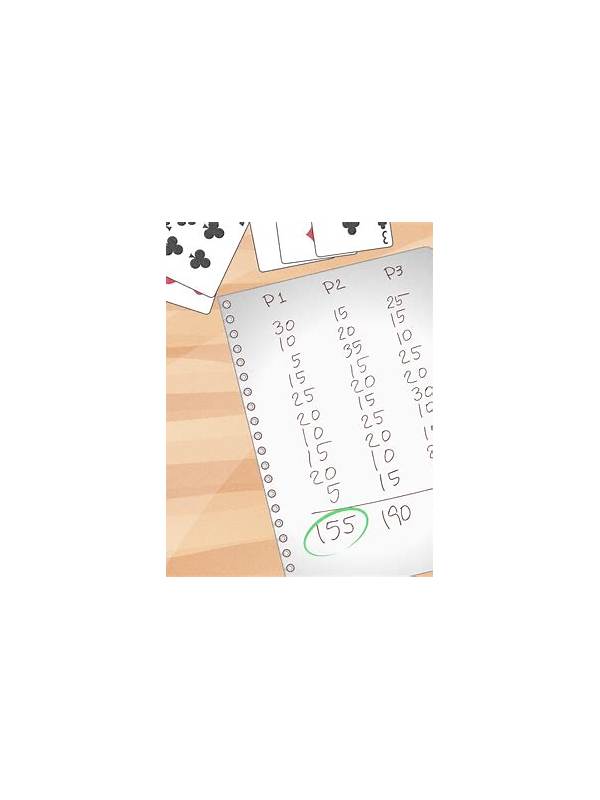
Rummy How-To: Reconstruct a Hand From Your Own Notes
If the notes become argumentative or repetitive, stop and return another day. Distance often makes the key decision easier to see.
Reviewing a completed hand is more useful when the notes are specific. You do not need to record every card. Instead, capture the opening arrangement, two or three turning points, and the reason for important discards. This creates a small record that can be examined without the pressure of a live round.
Begin with the starting hand and mark groups that were obvious at the time. Then identify cards that had two possible homes. These are often the moments where a later draw changed the plan. Write down what you believed would happen, not what you know after seeing the result. Separating prediction from hindsight makes the review more honest.
For each turning point, ask three questions. What information was visible? Which alternatives were available? What risk did each alternative create? For example, taking a discard may have improved a pair but also told other players what you needed. Do not assume that the winning choice was the only sensible choice; compare the quality of the reasoning with the final outcome.
Next, replay the hand with one decision changed. Choose a single discard or draw and follow the likely consequences for a few turns. This exercise is not a simulation of every hidden card. It simply shows whether your plan depended on one narrow assumption. If many reasonable lines remain possible, the original decision may have been defensible even if it lost.
Finish by writing one actionable lesson, such as “recheck isolated high cards after each opponent discard.” Avoid broad conclusions like “never keep pairs.” Keep notes private, remove account or payment details, and review only when you are calm. The goal is better observation and decision discipline, not a reason to chase a result in the next session.
Keep the reconstruction short enough that you can repeat it. A useful template has four lines: starting plan, turning point, alternative considered, and next lesson. If you have a record of the visible discards, include only the ones that influenced your choice. Avoid naming other players or sharing their behavior publicly. The exercise is for improving your own process, not for creating a story about someone else. After writing the lesson, close the notes and return to another activity. A review that ends cleanly is more valuable than a long analysis that keeps the hand running in your mind.
Related Post
Rummy How-To: Recover After Breaking the Wrong Group
A calm recovery process can turn a strategic mistake into useful information. [...]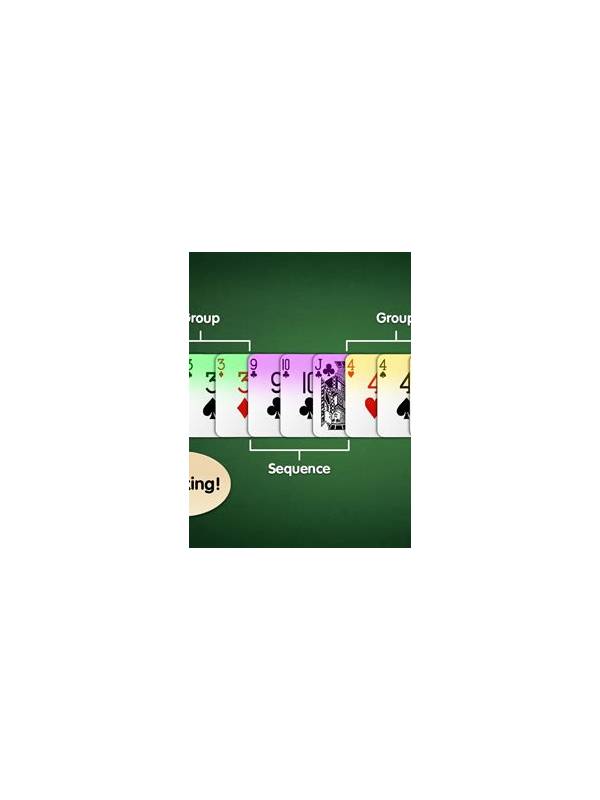
Rummy How-To: Annotate a Hand Without Revealing It
Private, neutral notes can improve rummy review while keeping sensitive account and gameplay information out [...]