Rummy How-To: Rehearse a Declaration Without Submitting It
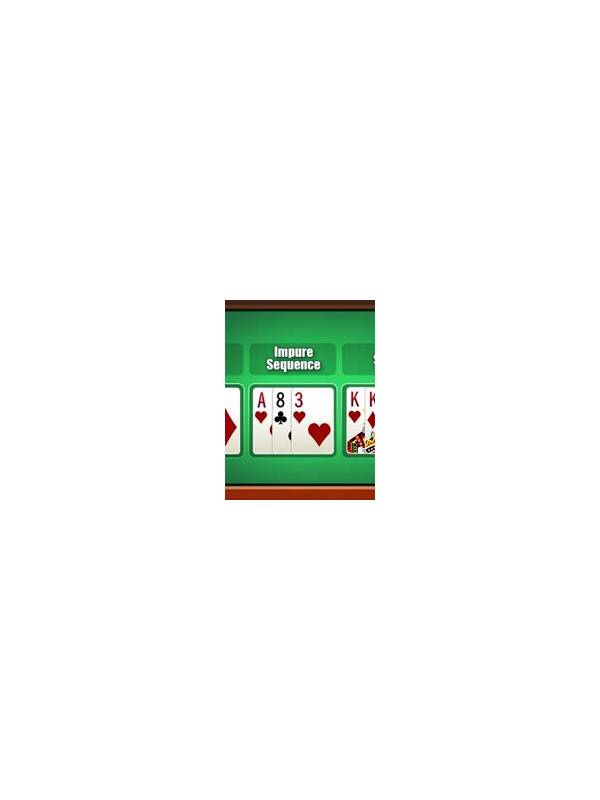
Perform the check early enough to leave a time buffer. Rushing through a final arrangement encourages duplicate use and missed requirements. A repeatable rehearsal is faster than correcting a preventable error after submission, and it gives you confidence without relying on guesswork.
If the table uses an unfamiliar interface, rehearse the button sequence in a practice mode first. Know which action submits, which action rearranges, and whether confirmation can be cancelled. Interface knowledge supports rule knowledge.
Practice with flawed sample hands, including a duplicated card, a wrong-suit run, and a joker that leaves a required natural group missing. Detection is more valuable than memorizing one successful arrangement.
A declaration rehearsal is a quiet verification pass performed before you press the final button. It is useful when the hand appears ready but several arrangements compete for the same card. Rehearsal reduces avoidable errors while leaving time to change the grouping if a rule check fails.
Start by moving the cards into proposed groups without confirming the declaration. Say what each group is: natural sequence, sequence using a permitted joker, or set. If you cannot describe a group clearly, treat it as unfinished. This verbal label helps expose a pair that has been mistaken for a complete sequence.
Next check card ownership. Count every card once and only once. A card that connects two possible groups must be assigned to one route; it cannot complete both. Look for duplicate ranks, suit mismatches, and a joker whose use changes whether another group remains valid. Keep the proposed layout visible while performing this check.
Then compare the rehearsal with the format’s requirements. Some games require a natural sequence, a particular number of groups, or a specific declaration procedure. Read the table rules if there is any uncertainty. General rummy knowledge is not enough when a platform uses a special variant.
If the rehearsal fails, do not rush to force the nearest arrangement. Return one card to the unassigned area and rebuild from the strongest verified group. This often reveals a legal alternative. If no alternative exists, continue playing according to the rules and preserve the information for later review.
Rehearse early enough to leave a time buffer. A final check made with the timer nearly finished is harder to perform accurately. With practice, the process takes only a few seconds: label, count, verify requirements, and submit only when the complete structure is clear. The rehearsal is not hesitation; it is a repeatable safety step.
Related Post
Rummy Comparison: Manual Notes Versus Memory at a Mobile Table
Comparing memory with brief manual notes shows when recording visible information can improve mobile rummy [...]
Rummy How-To: Build a Simple Endgame Decision Tree
Create a compact decision tree for choosing safe endgame actions when the hand is nearly [...]