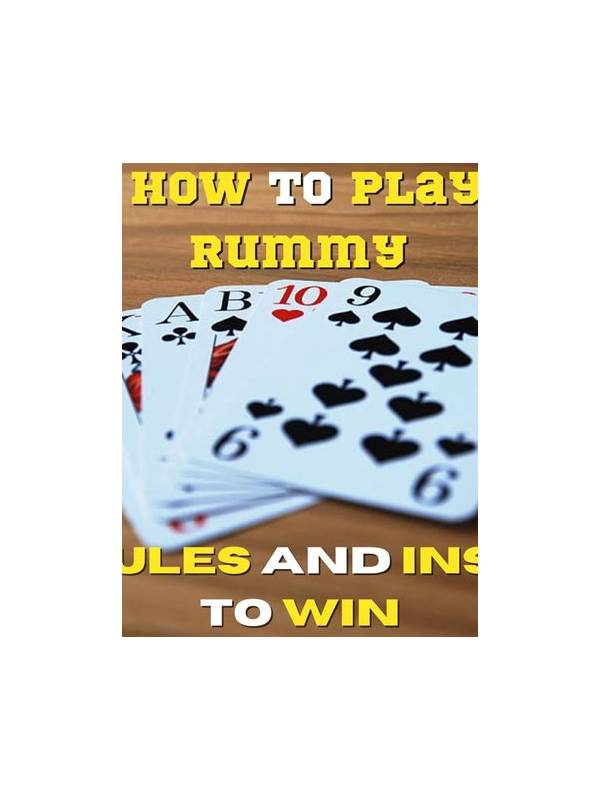
Rummy How-To: Review a Hand With Three Questions
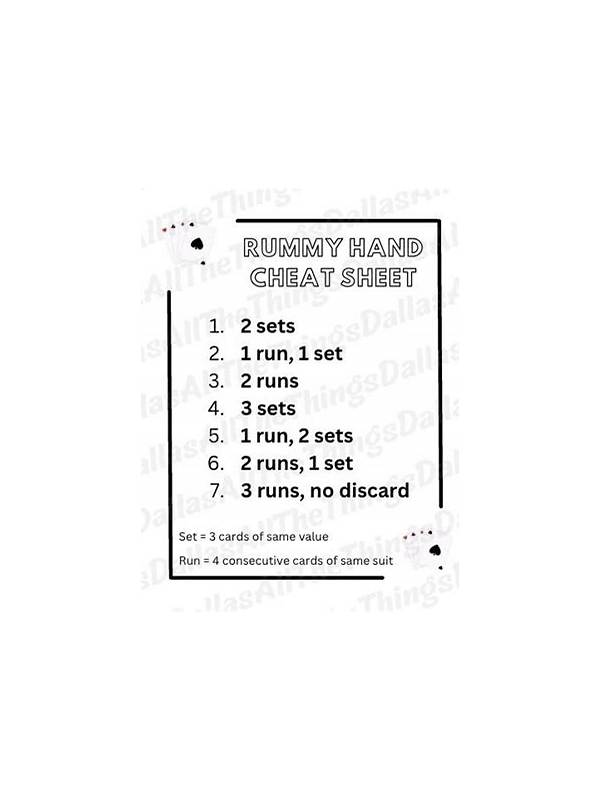
A useful hand review does not require perfect memory. Three questions can reveal whether the main issue was structure, timing, or risk. Answer them soon after the hand, then stop; the purpose is learning, not self-criticism.
Question one: what was the strongest route available at the important decision? Describe the route in terms of valid groups, useful draws, and penalty. Do not begin with the result. A losing move can be reasonable when it had the best information available, and a winning move can still be risky or accidental.
Question two: what changed after the decision? Identify the next card, a visible opponent action, or a rule constraint that altered the position. If nothing material changed, ask whether you delayed a reassessment. This separates a route that failed because of variance from one that became weak and was kept too long.
Question three: what single habit should you test next time? Choose a behavior, such as sorting by suit earlier, counting remaining connectors, releasing a high penalty card, or pausing after a reconnection. Avoid vague goals like “play smarter.” A testable habit produces clearer feedback.
Keep the review under five minutes. If the position is genuinely unclear, mark it for later practice instead of inventing certainty. Over time, a small collection of reviews will show recurring choices more accurately than memory alone. The best review ends with a practical experiment, not a verdict about your ability. When the hand involved an opponent’s visible choice, include only what you could reasonably know at the time. Do not assume hidden cards after seeing the result. Every few reviews, check the rules and interface again; a mistaken assumption about jokers or scoring can make several conclusions unreliable. Accurate foundations make short reviews useful. A review can finish with a small experiment: sort by suit before the next hand, announce the cost of a miss, or wait one breath after each draw. Test only one change at a time. If the hand feels clearer, keep it; if not, revise the experiment. This turns reflection into practice and avoids collecting general advice that never changes behavior. A short review also protects confidence. It identifies one controllable action without claiming that you can control the draw. That distinction helps you keep practicing after an unlucky result and stay humble after a fortunate one. The useful outcome is a clearer next decision, not a perfect explanation of the past.
Related Post
Rummy FAQ: Should You Keep a Card That Serves Two Routes?
A dual-purpose card is valuable only when its flexibility outweighs the space and timing it [...]
Rummy FAQ: What Should You Track During Practice?
Tracking a few decision details is more useful than recording every card in a practice [...]