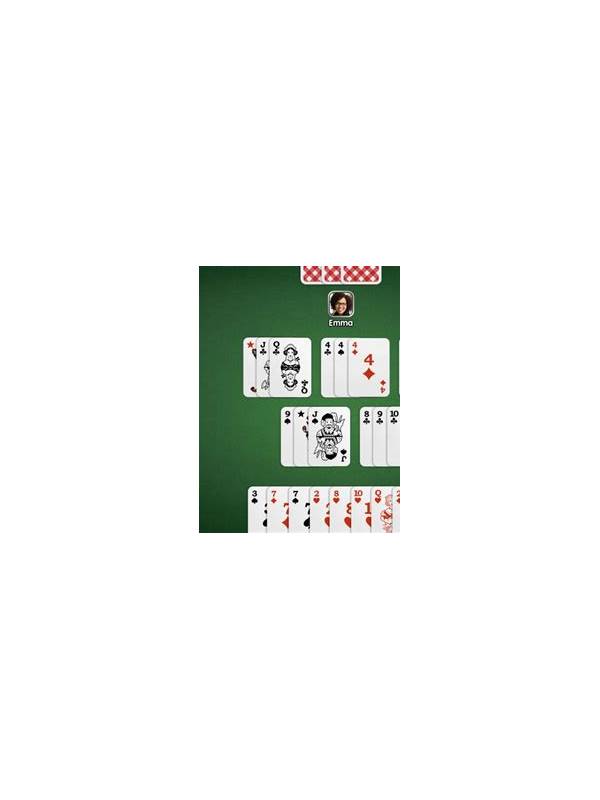
Rummy How-To: Sort Your Hand by Useful Connections
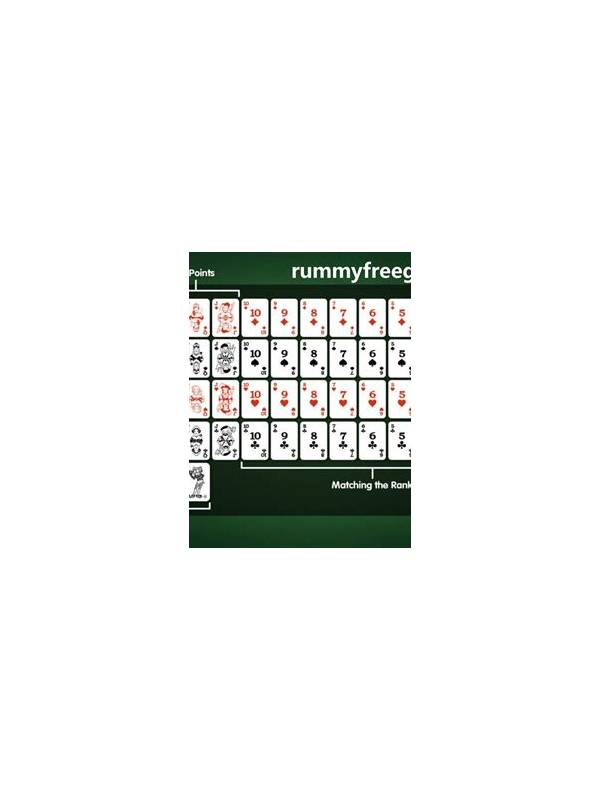
When a rummy hand arrives, the first temptation is to arrange cards by suit and immediately choose a plan. A better opening is to sort by useful connections. This means looking for cards that can work with more than one neighbour, while keeping isolated cards visible. The method is simple, but it prevents a single attractive pair from dominating every decision.
Start by placing cards in suit order and rank order. Leave a small gap between groups so the structure is easy to read. Mark three categories mentally: cards already in a possible sequence, cards that could join two different sequences, and cards with no clear partner. A six, seven, and eight of one suit are an obvious connection. A five beside a six may also connect, but its value depends on whether the fourth card is available or likely to be drawn.
Next, count the links rather than the cards. A card that can connect on both sides is more flexible than a card that only matches one neighbour. For example, a seven can often work with a five-six or an eight-nine in the same suit. That does not make it automatically valuable; it simply gives you more ways to improve the hand. Keep such cards while you gather information from the discard pile.
Do not hide uncertain cards inside a neat group. If a pair is only one card away from becoming a sequence, leave it visibly separate from completed groups. This preserves an honest picture of your options. You can then compare it with another pair instead of assuming it will succeed.
After every draw, repeat the scan quickly. Ask what improved, what became redundant, and which card now has the fewest useful links. The worst card is not always the highest card. A low card that blocks your arrangement can be less helpful than a high card that still supports two realistic sequences.
This sorting habit also makes discards easier to explain after a session. You can review whether you released a genuinely isolated card or abandoned a connection too soon. The goal is not to predict the perfect draw. It is to keep the hand legible, flexible, and based on visible evidence.
If the table is moving quickly, make the scan even simpler. Find the card with the fewest connections, identify your strongest existing group, and compare the two before acting. This gives you a reliable anchor when there is no time to test every arrangement. With practice, sorting becomes a quiet routine rather than a separate task, and your attention can return to the changing discard information.
Related Post
Rummy Guide: Use a Two-Stage Sort for Crowded Hands
Separating suit structure from rank relationships makes a crowded rummy hand easier to evaluate. [...]
Rummy Practice: Score Decisions Without Scoring Yourself
A neutral decision score can improve rummy practice while keeping one unlucky result from defining [...]