Rummy How-To: Switch Suits Without Losing Your Best Group
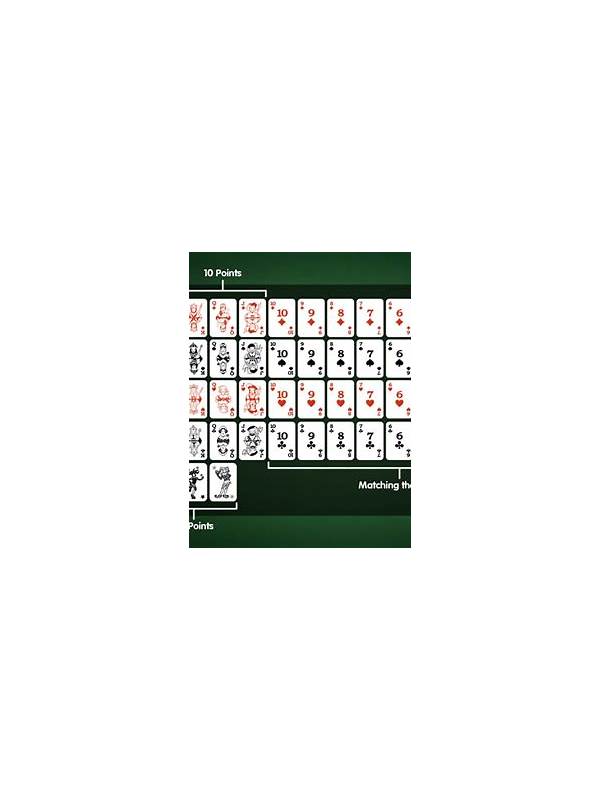
Changing direction in rummy is sometimes necessary. A promising plan can become unlikely after several unhelpful draws, but an abrupt rearrangement can create new confusion. The practical solution is to switch suits in stages while protecting the strongest group in your hand.
First, identify the anchor. An anchor is the group with the clearest structure and the fewest missing cards. It might be a completed sequence, a nearly complete run, or a set supported by multiple alternatives. Label it as protected for the next turn. The label is temporary: it means do not dismantle it casually while you investigate another plan.
Now inspect the suit you want to enter. Count the cards already connected there and list the exact improvements you would need. A switch is more credible when it has multiple useful draws, not just one perfect card. If the new suit needs two specific cards in sequence, keep that limitation visible rather than treating it as a broad opportunity.
Release one card at a time. Choose a card that is both expensive to keep and weakly related to the anchor. After the discard, rescan the entire hand. Ask whether the switch reduced the number of unfinished groups, lowered penalty, or increased the number of useful next draws. If none of those improved, pause before making another structural change.
Avoid switching simply because a new card looks attractive. A card can be useful in isolation but still fail to improve the whole hand. Also avoid abandoning a strong pure sequence to chase a flexible arrangement unless the rules and timing justify the risk. Your anchor provides stability while the new idea proves itself.
At the end of the next turn, make a clear choice: continue the switch, return to the earlier plan, or keep the anchor and build a third option. This three-way decision is better than drifting between suits. Good adaptation is not constant rearrangement; it is a measured exchange of one plan for another, with the best existing structure kept safe until the new plan earns its place.
Keep the abandoned plan in a brief mental note. If a later card appears to restore it, compare that card with the current plan objectively rather than returning from habit. If no route improves after the review, keep the anchor and release the weakest unrelated card. A controlled retreat is better than forcing a new suit because the hand feels temporarily uncomfortable.
Keep the abandoned plan in a brief mental note. If a later card appears to restore it, compare that card with the current plan objectively rather than returning from habit. A familiar card is not automatically better. The switch is complete when your groups, deadlines, and fallback route can each be stated simply.
Related Post
Rummy Guide: Run a Final Hand Review
A short final review can prevent avoidable errors when your hand appears nearly complete. [...]
Rummy How-To: Label Every Group by Its Missing Link
A quick hand-organization technique that shows which cards each unfinished group actually needs. [...]