Rummy How-To: Use a Hand Snapshot Before Every Draw
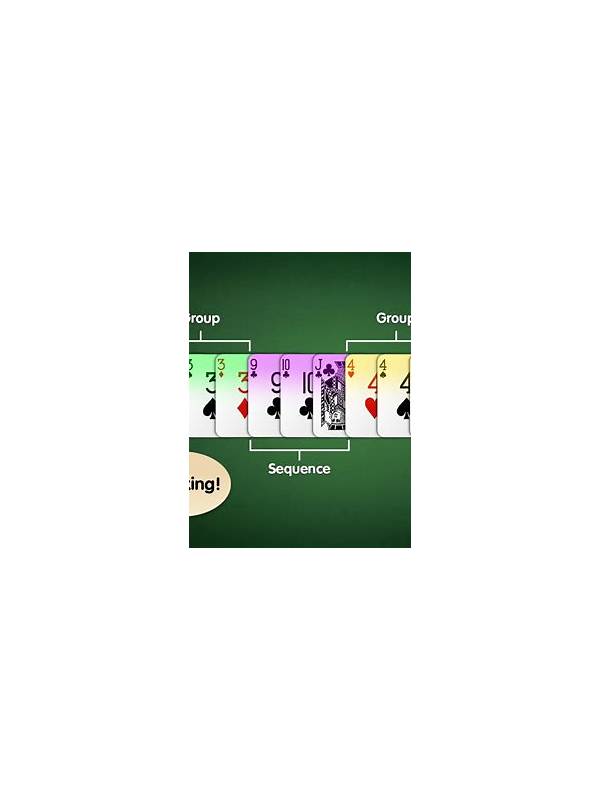
Rummy hands change quickly. A card that looked important one turn ago may become a burden after another card appears. A hand snapshot is a brief reset before you draw or discard. It captures the current state without requiring a complete calculation of every possible meld.
First, identify your confirmed groups. Set them aside mentally or arrange them clearly if the interface permits. Next, list your active possibilities. Keep this list short: two or three routes are enough. For each route, name the missing connection and how many alternatives could fill it. If you cannot name the missing connection, the route may be only a vague hope.
Then locate the danger cards. High-point unmatched cards deserve attention because they can increase a loss if the hand ends before you organize them. However, danger is not the same as an automatic discard. A high card that has several realistic connections may be more useful than a low card that belongs nowhere. Rate each unmatched card by both cost and flexibility.
The final part of the snapshot is a release question: “What can I let go of if this draw does not help?” Answer it before taking a card. This prevents the new card from creating a larger hand with no exit. If the draw improves one route but makes the rest of the hand awkward, compare the improvement with the cost of losing flexibility.
Keep the snapshot under twenty seconds in a relaxed game, and shorter when the table uses a timer. The purpose is not to freeze play. It is to replace yesterday’s plan with today’s evidence. With practice, the routine becomes a quick mental scan: confirmed groups, active routes, danger cards, and release option. That order gives you a stable decision frame even when the draw is disappointing or the table becomes fast.
Related Post

Rummy Safety: Keep Screenshots Out of Shared Chats
Avoiding hand and account screenshots in shared chats protects privacy and prevents misunderstandings during rummy [...]
Indian Rummy FAQ: How Many Plans Should a Hand Keep Alive?
This FAQ explains how to balance flexibility with the need to finish groups in Indian [...]